New Life for Historic Buildings & Places conference recordings now available to watch
02.04.2026
Posted by IGS
European and Irish Experts Convened in Dublin’s Europe House to Advance Adaptive Reuse of Historic Buildings
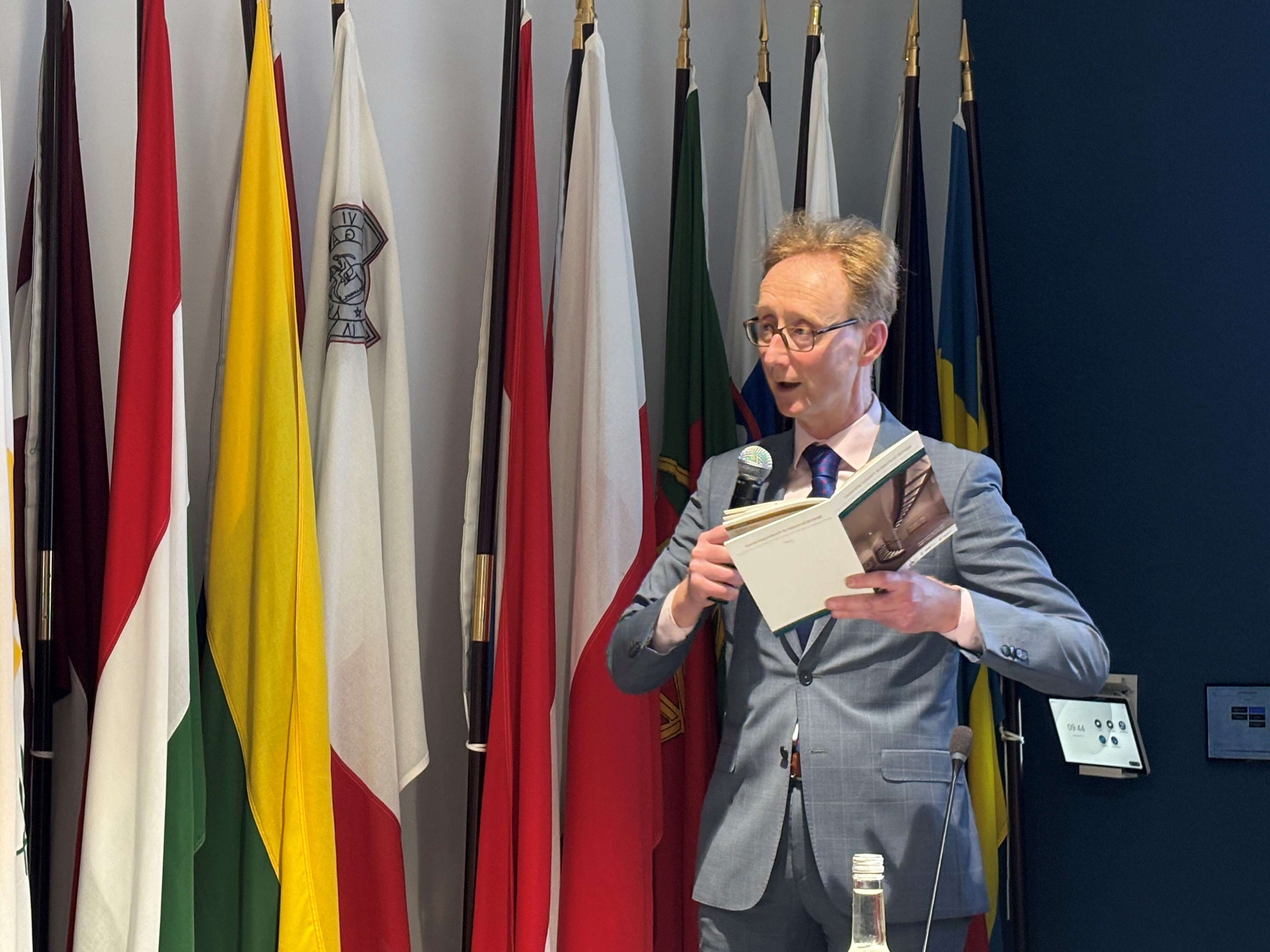
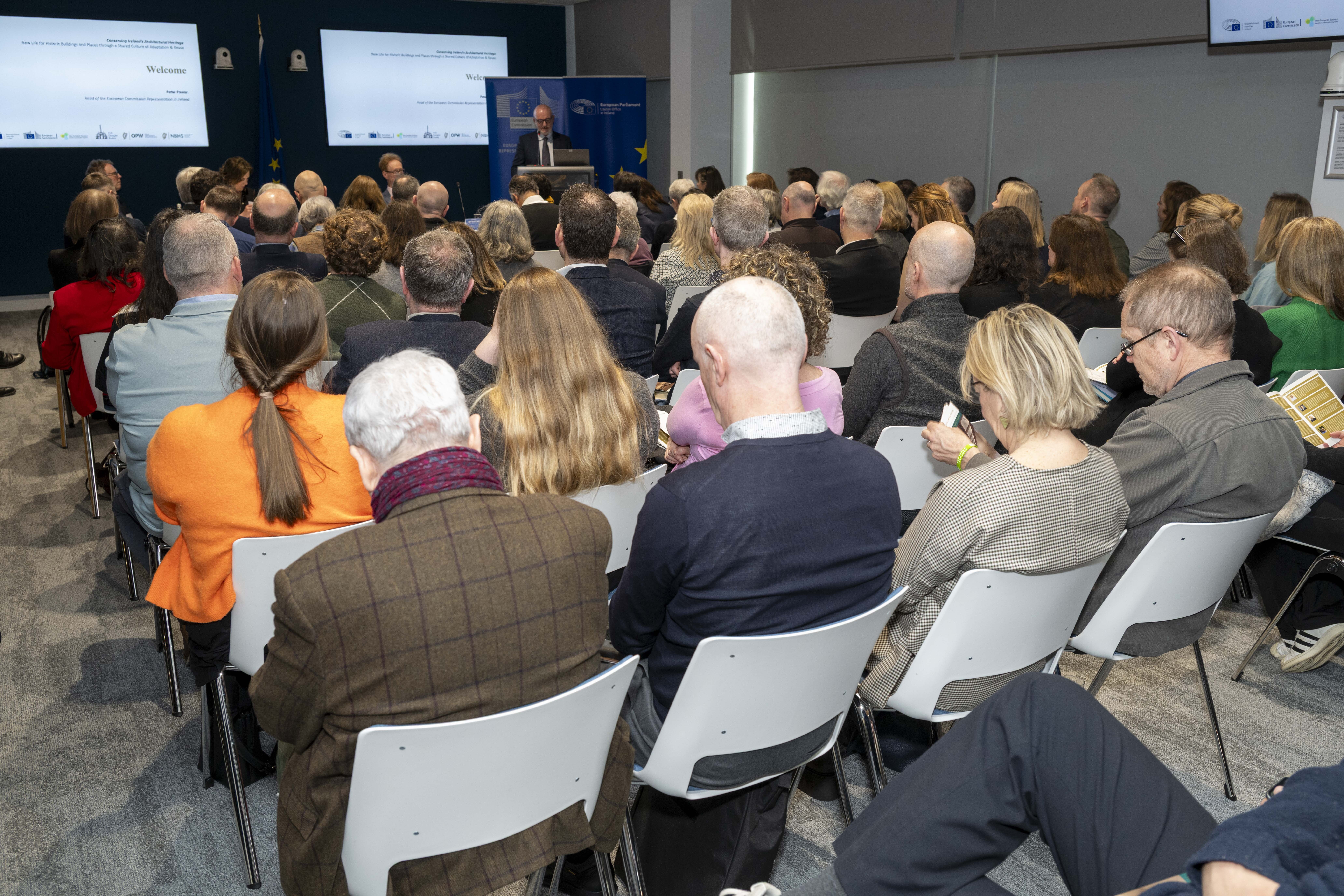
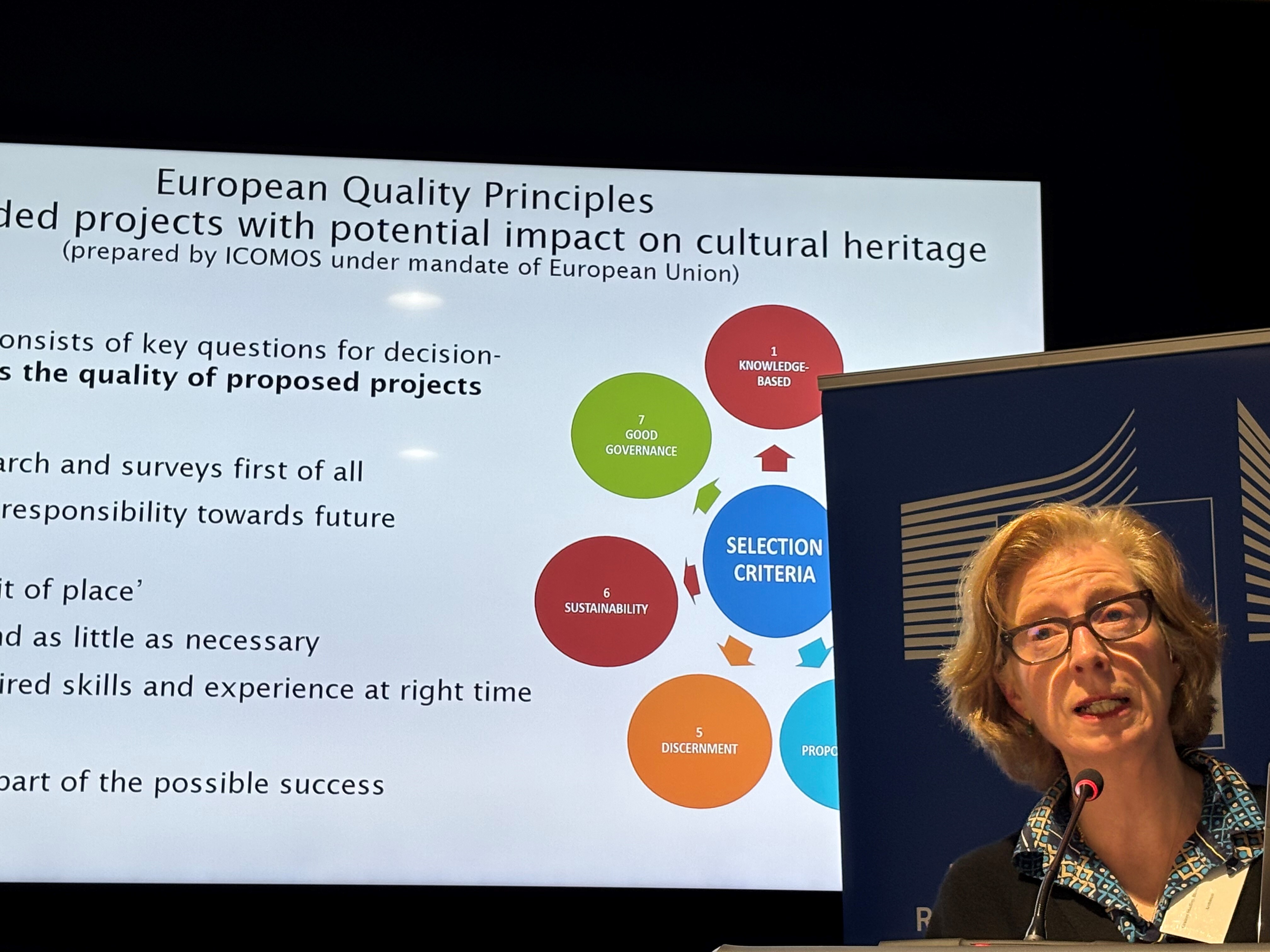
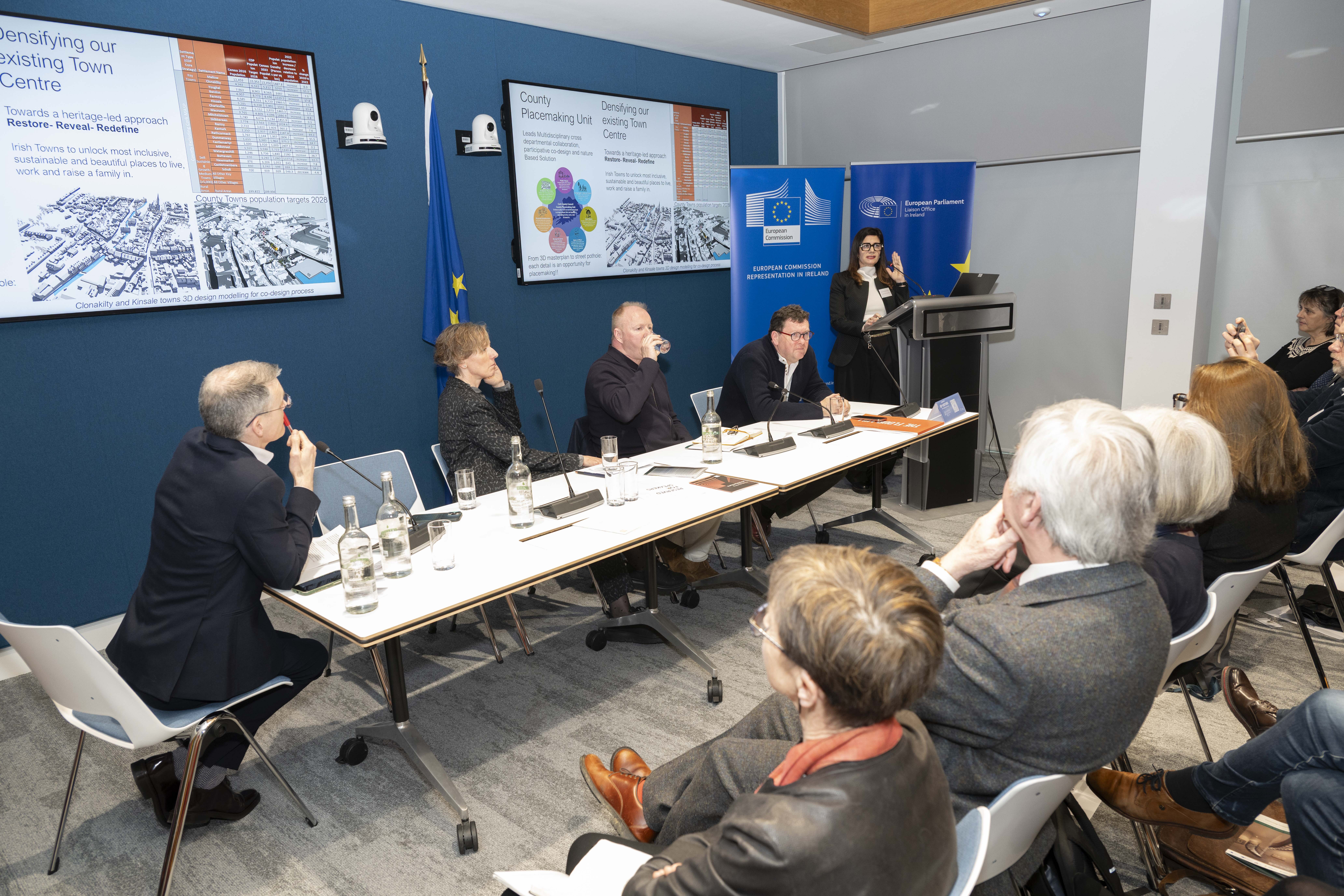
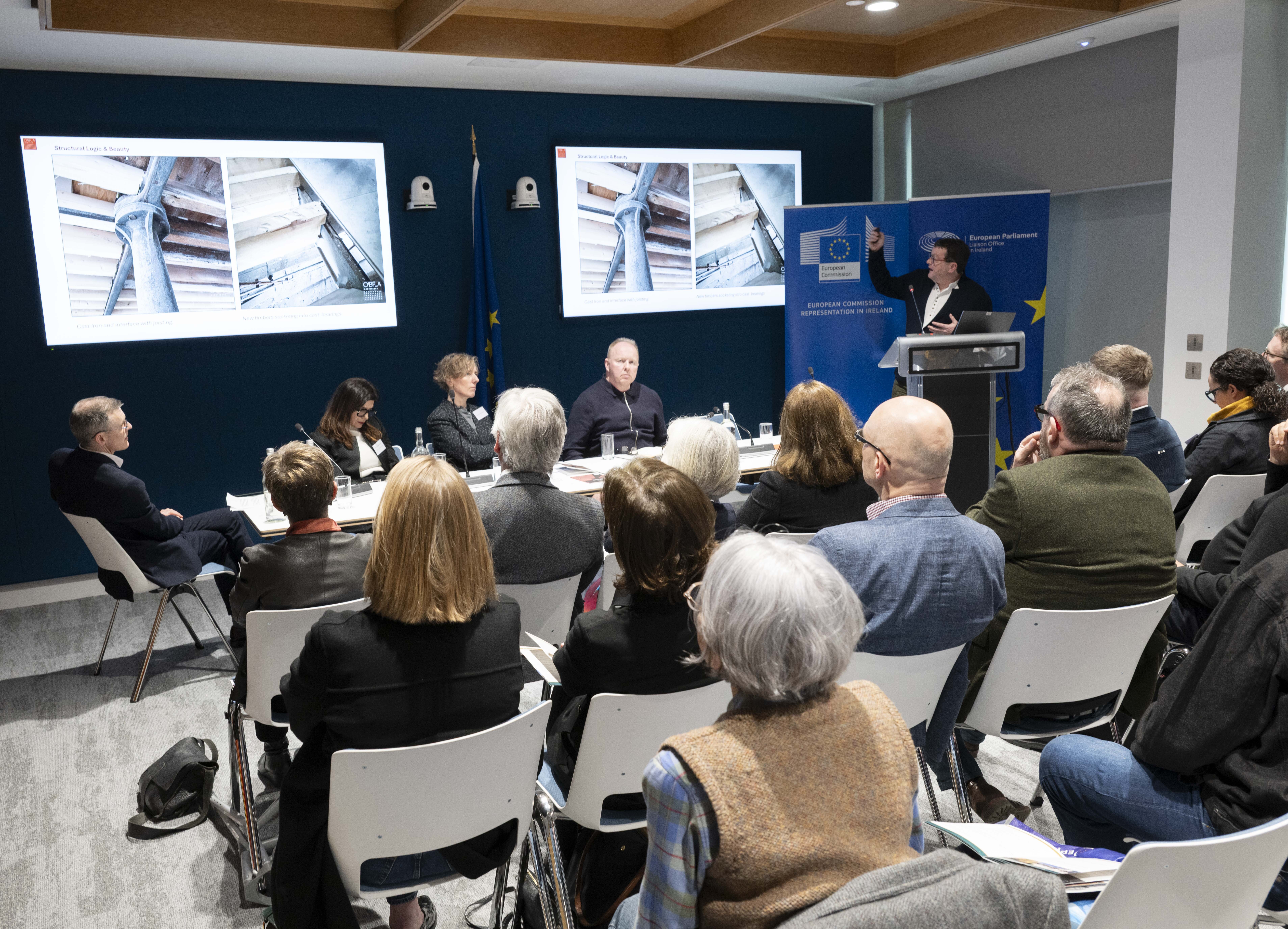
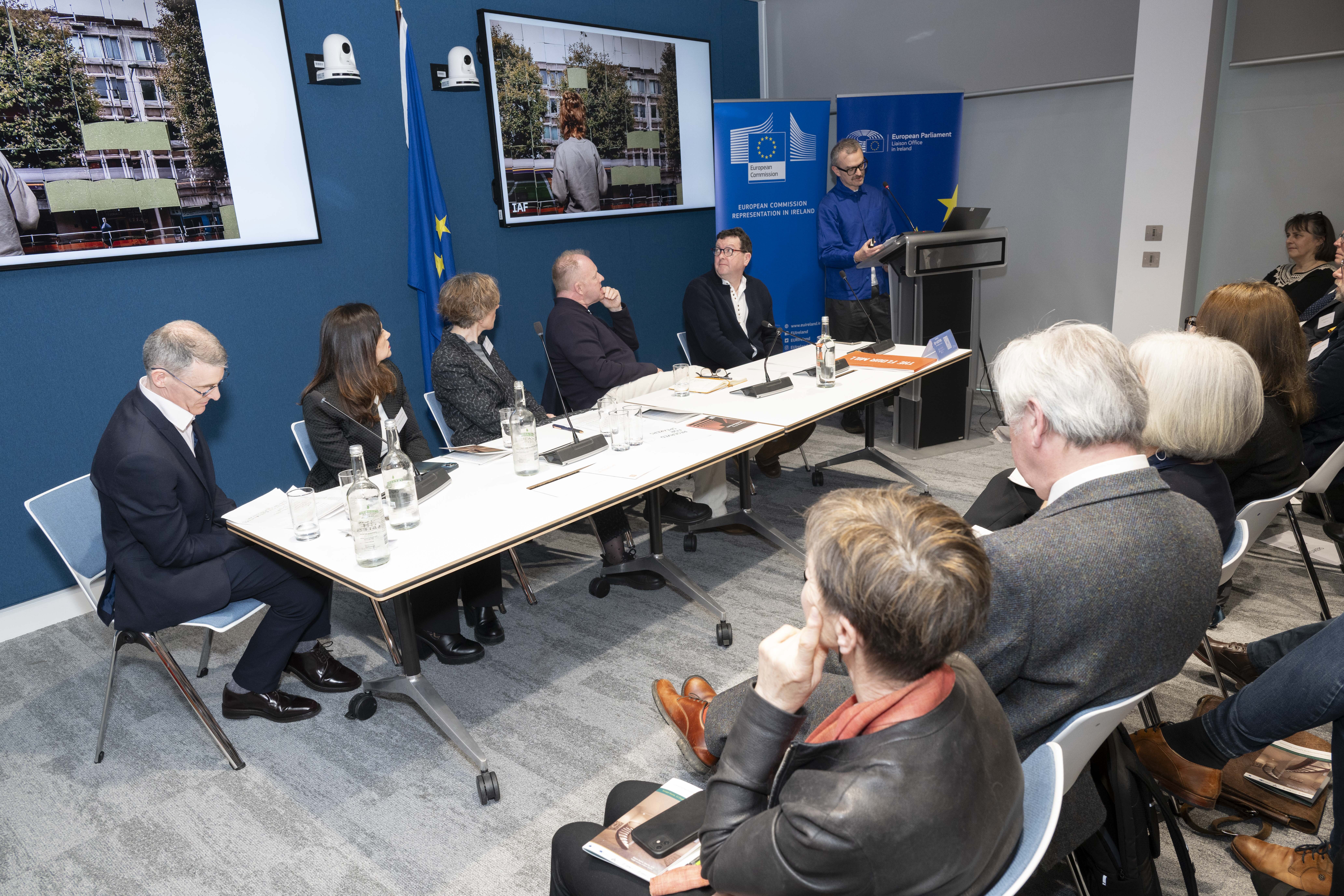
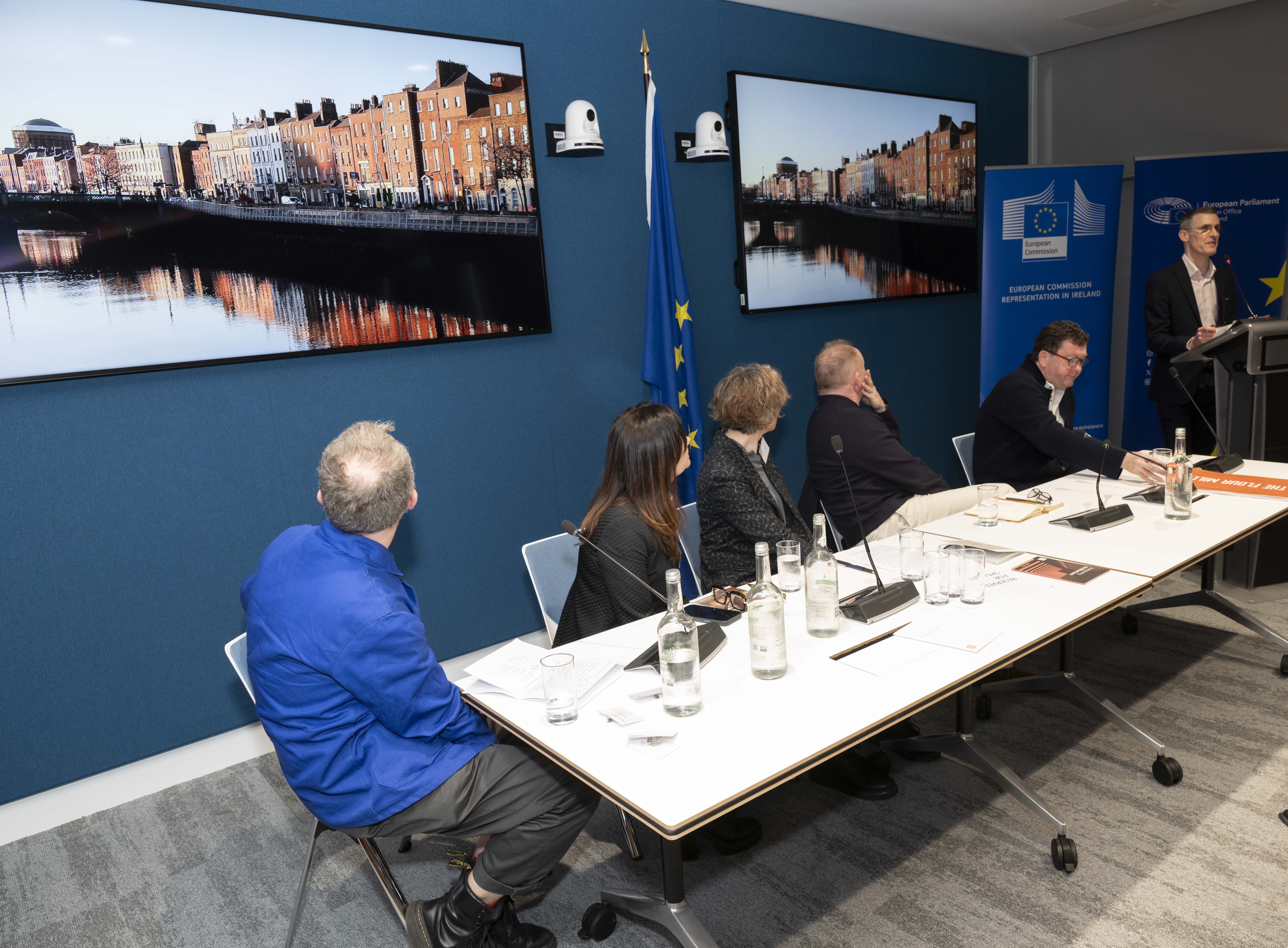

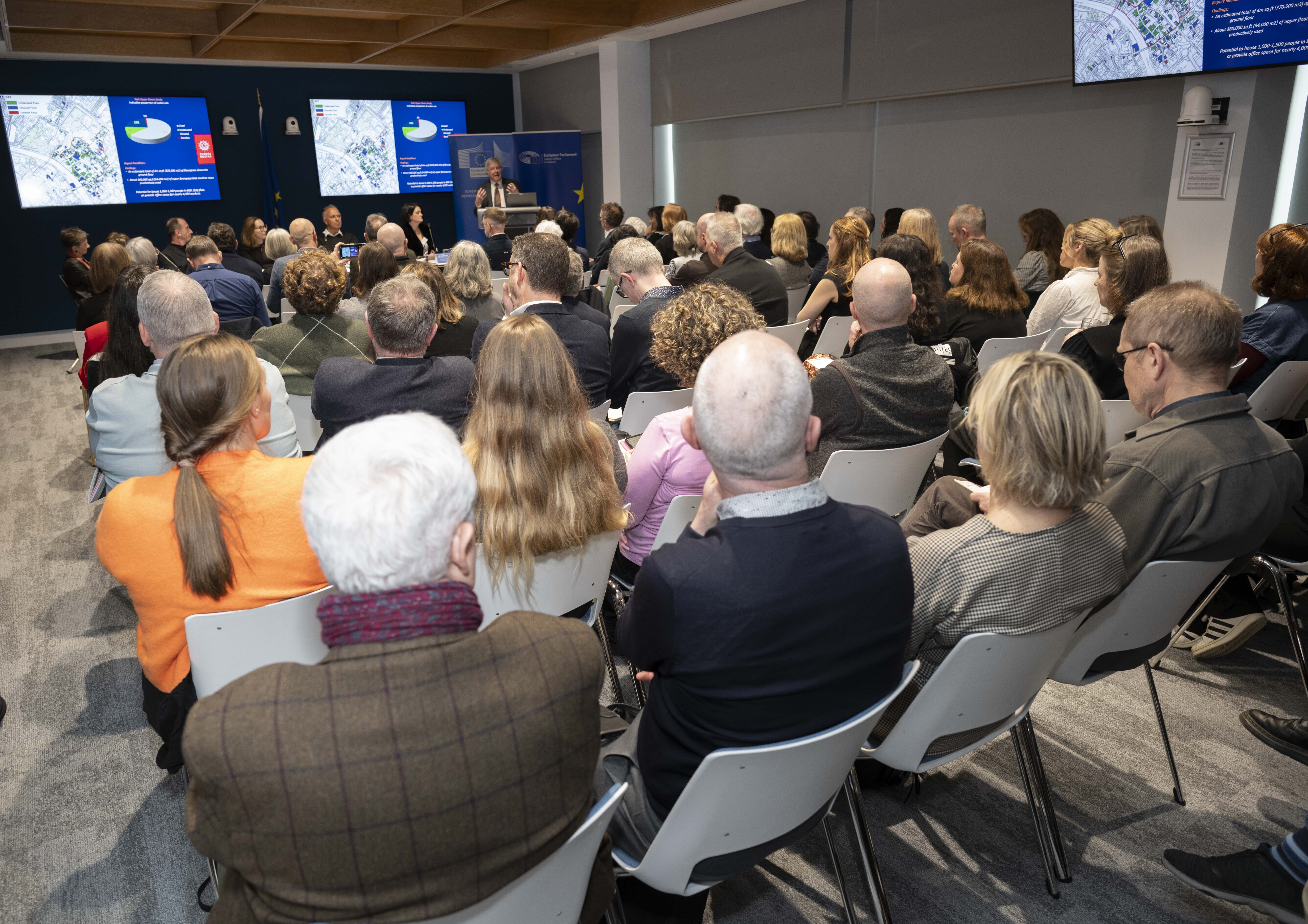
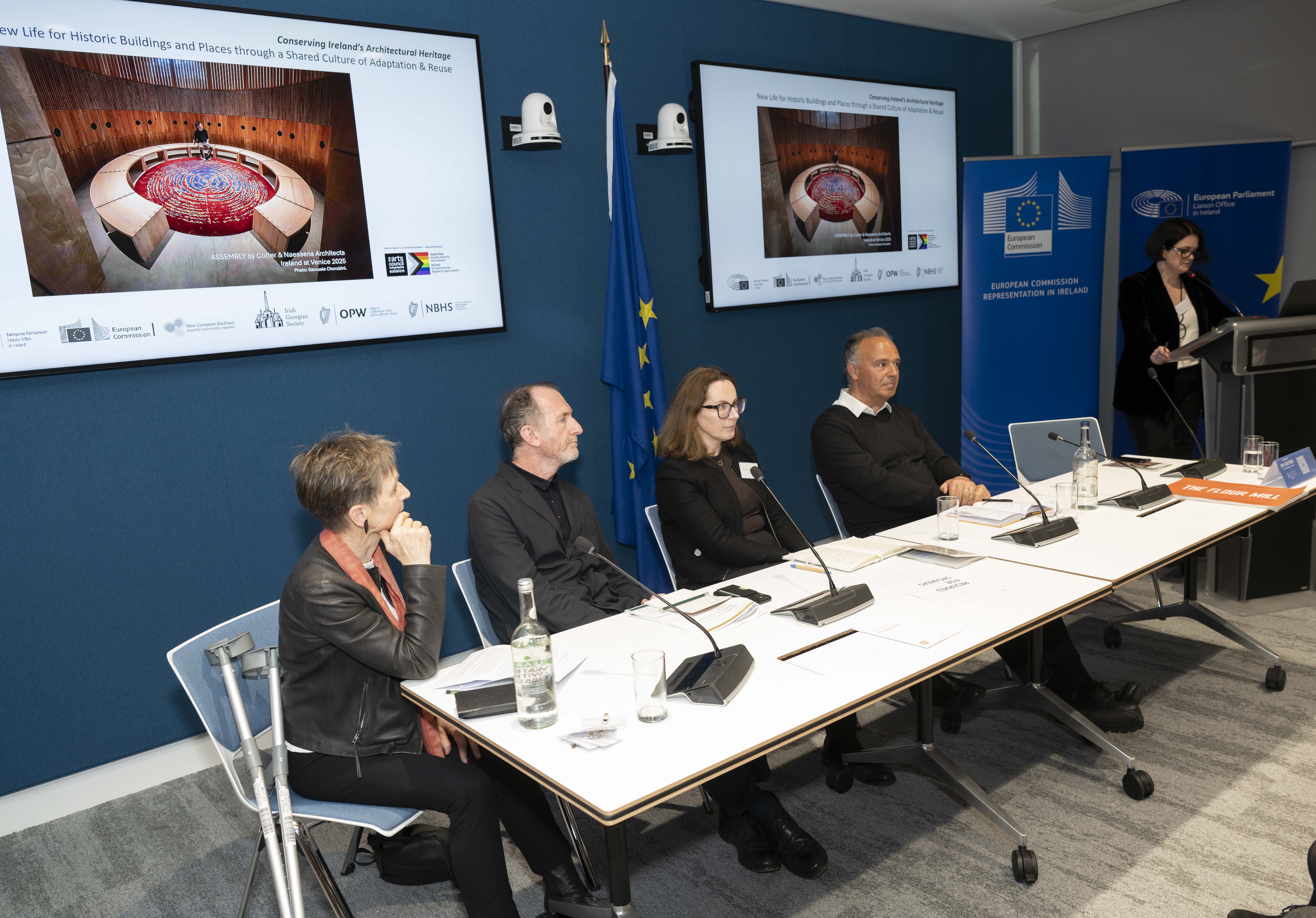
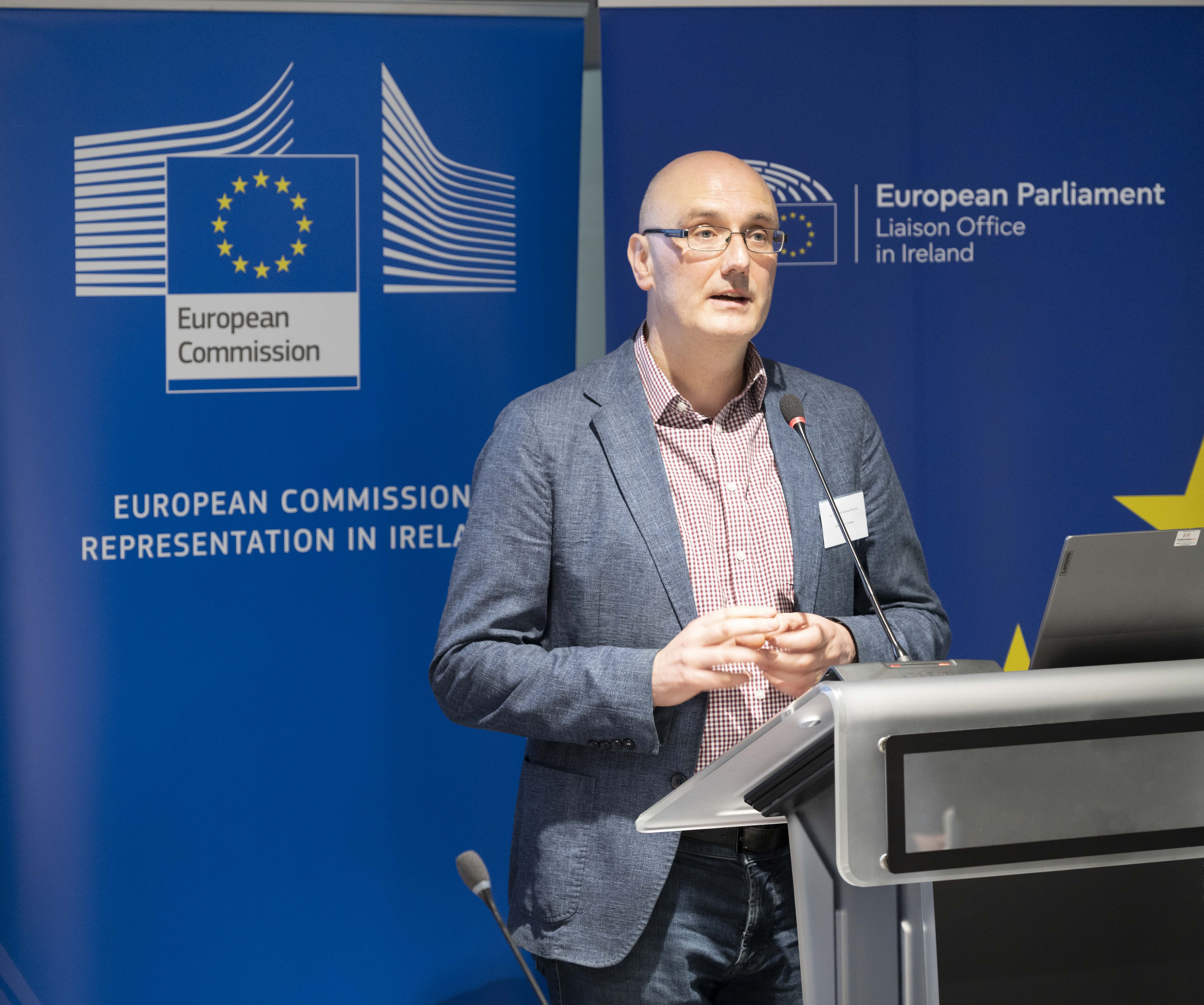
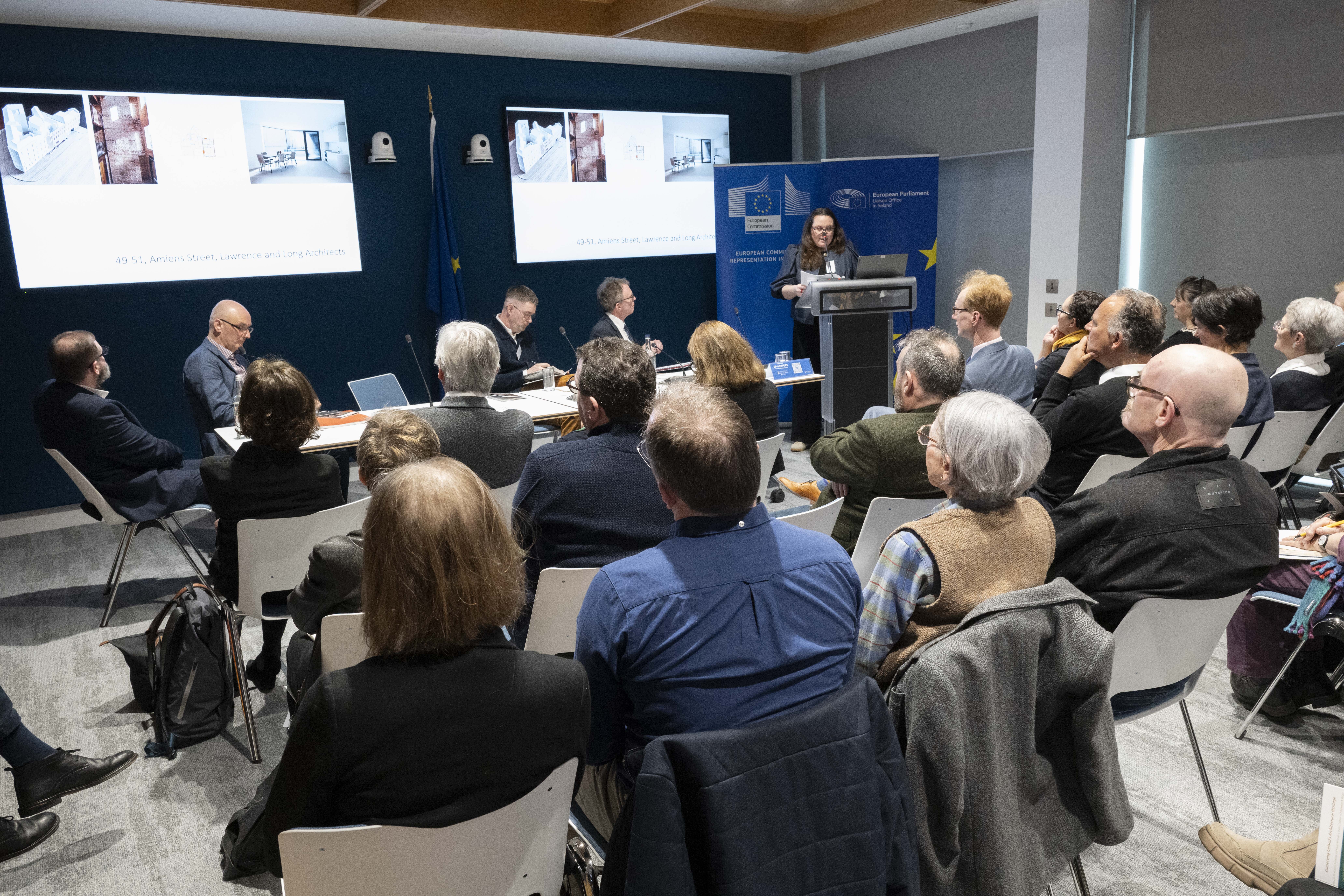
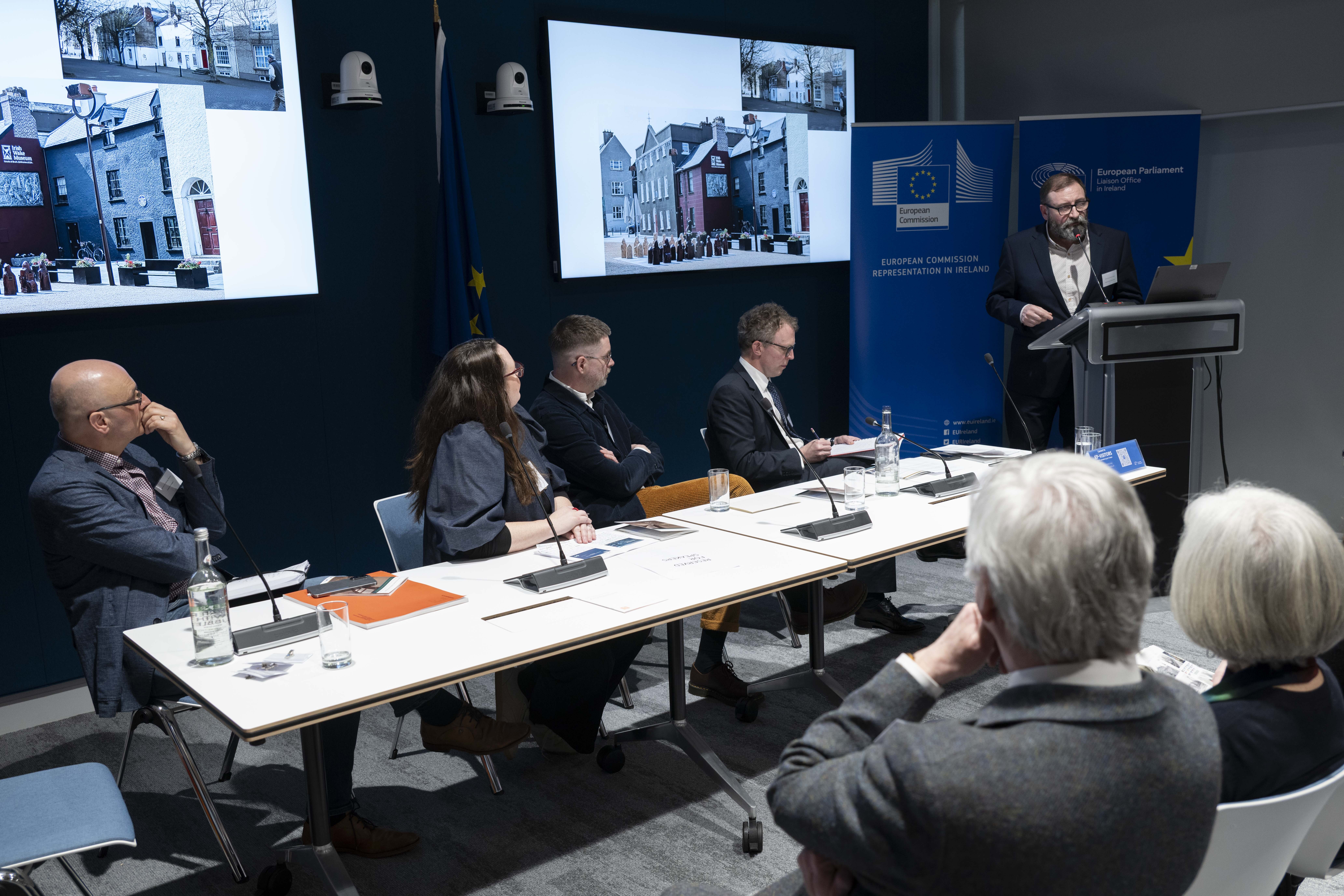
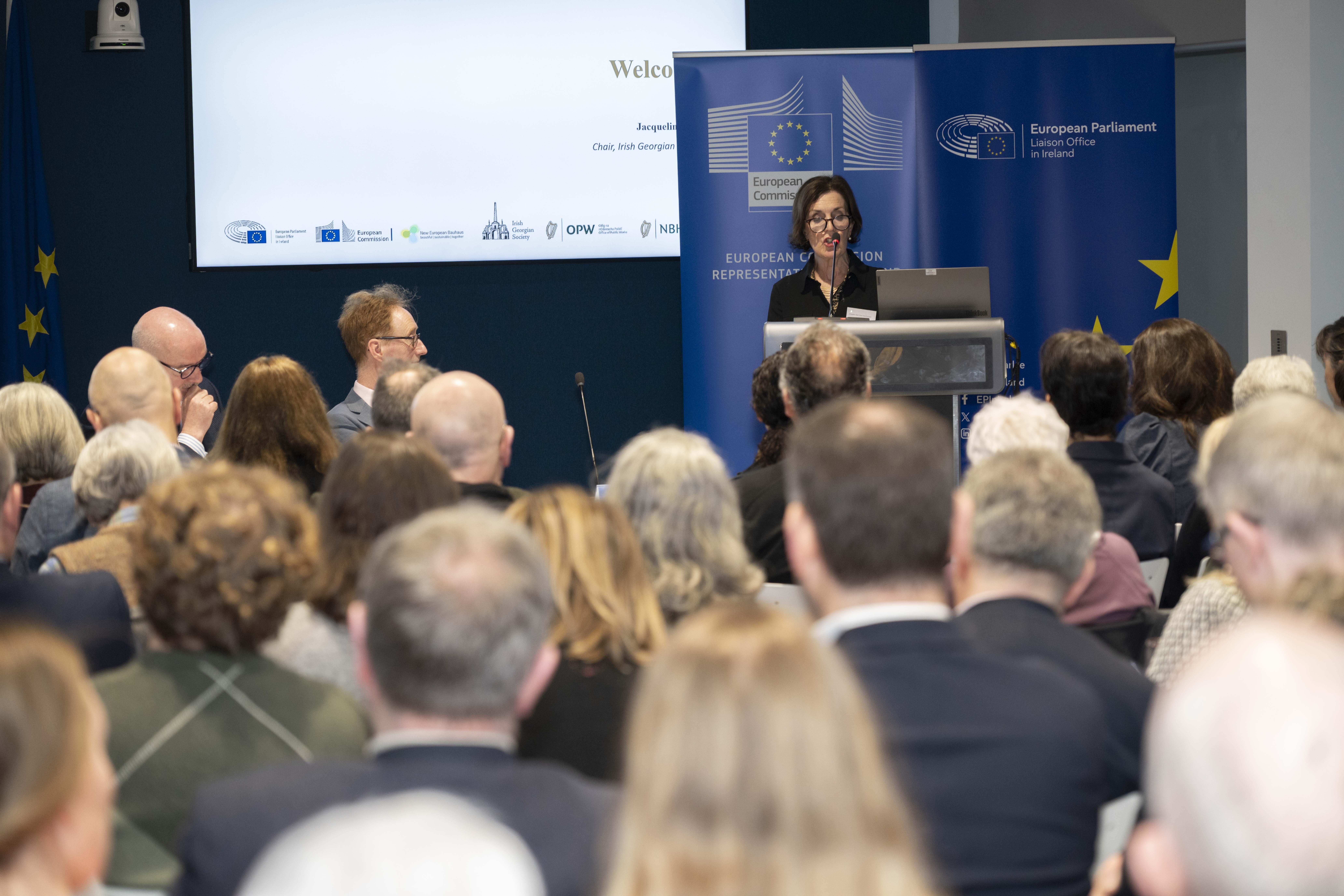
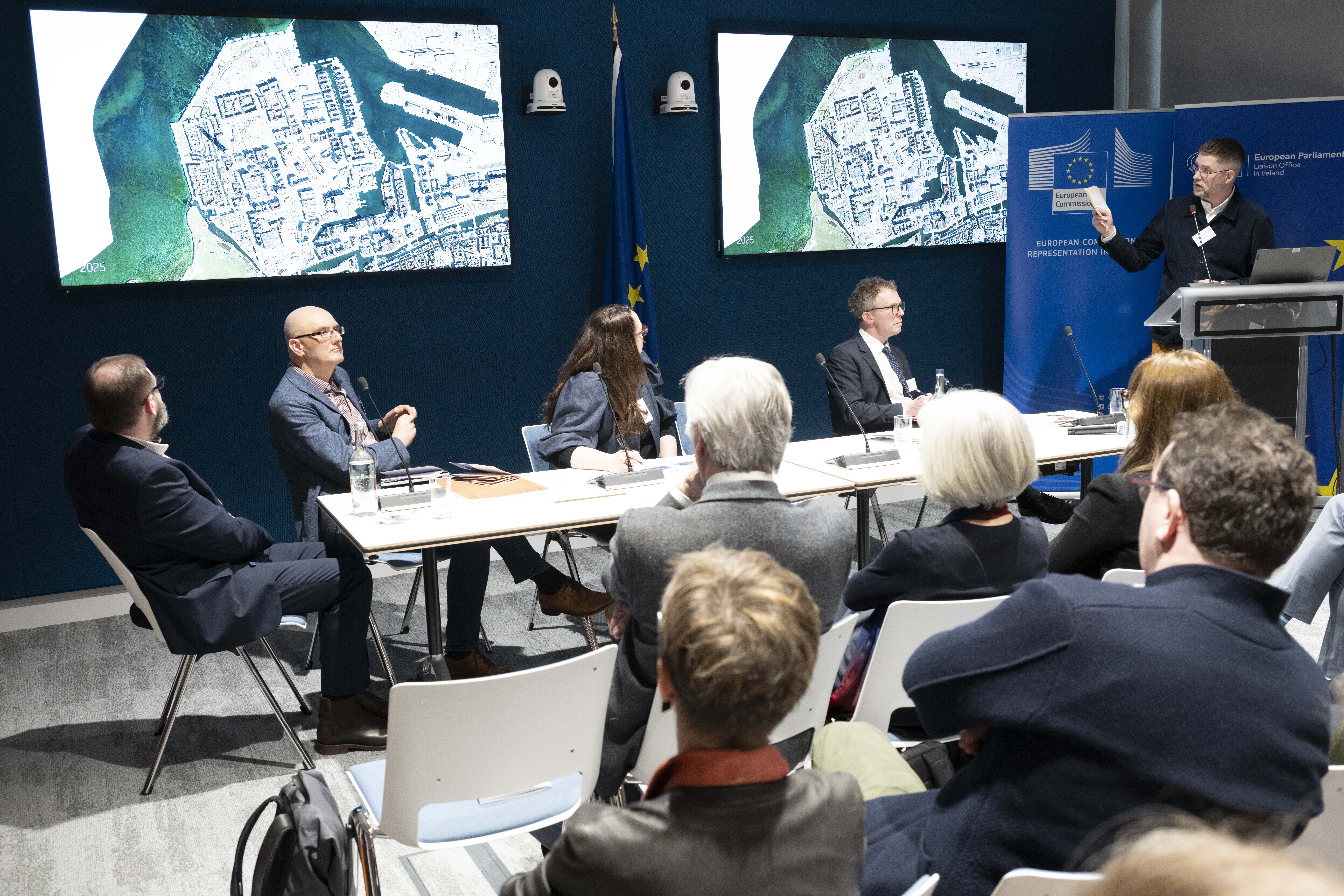
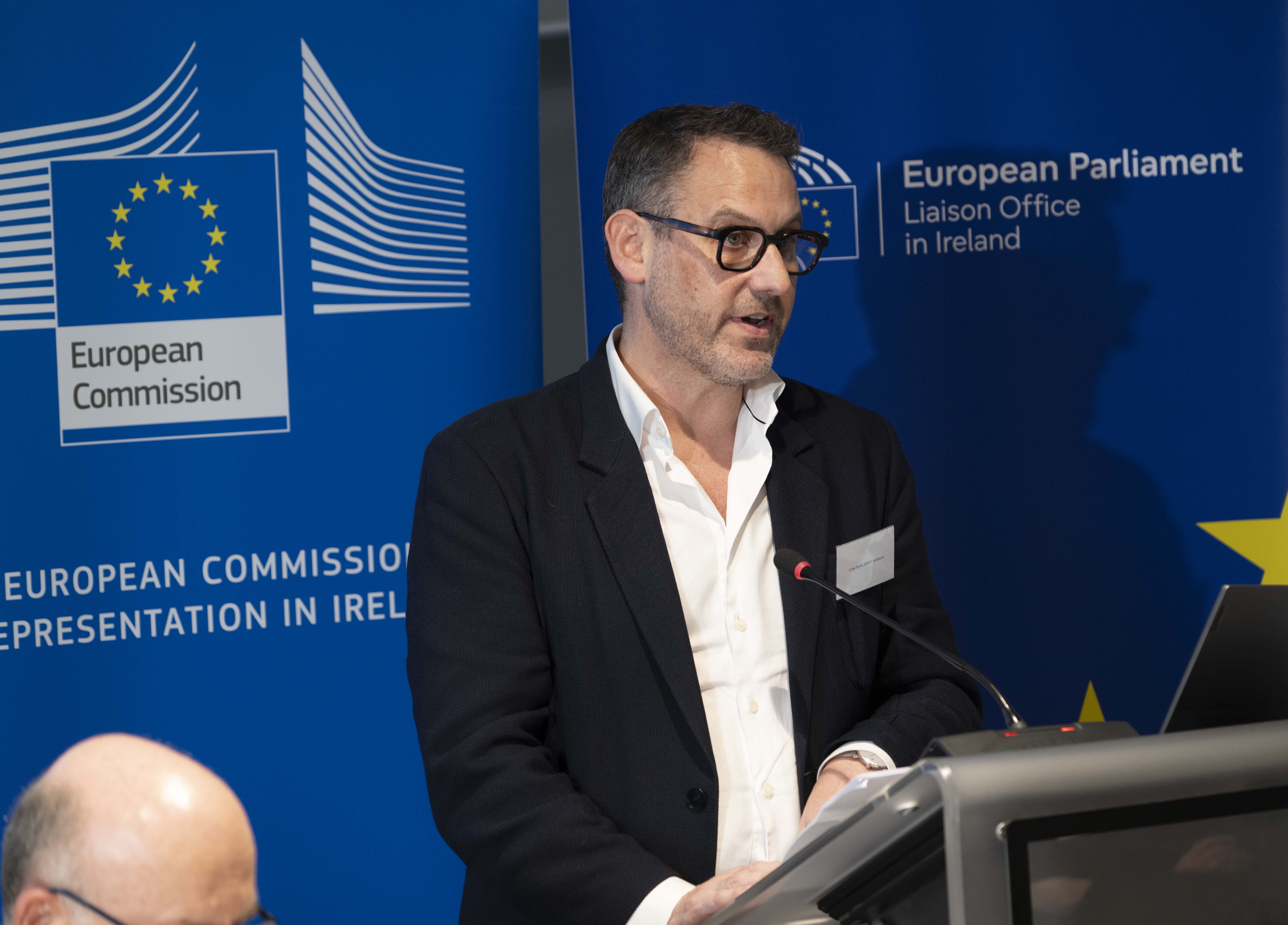
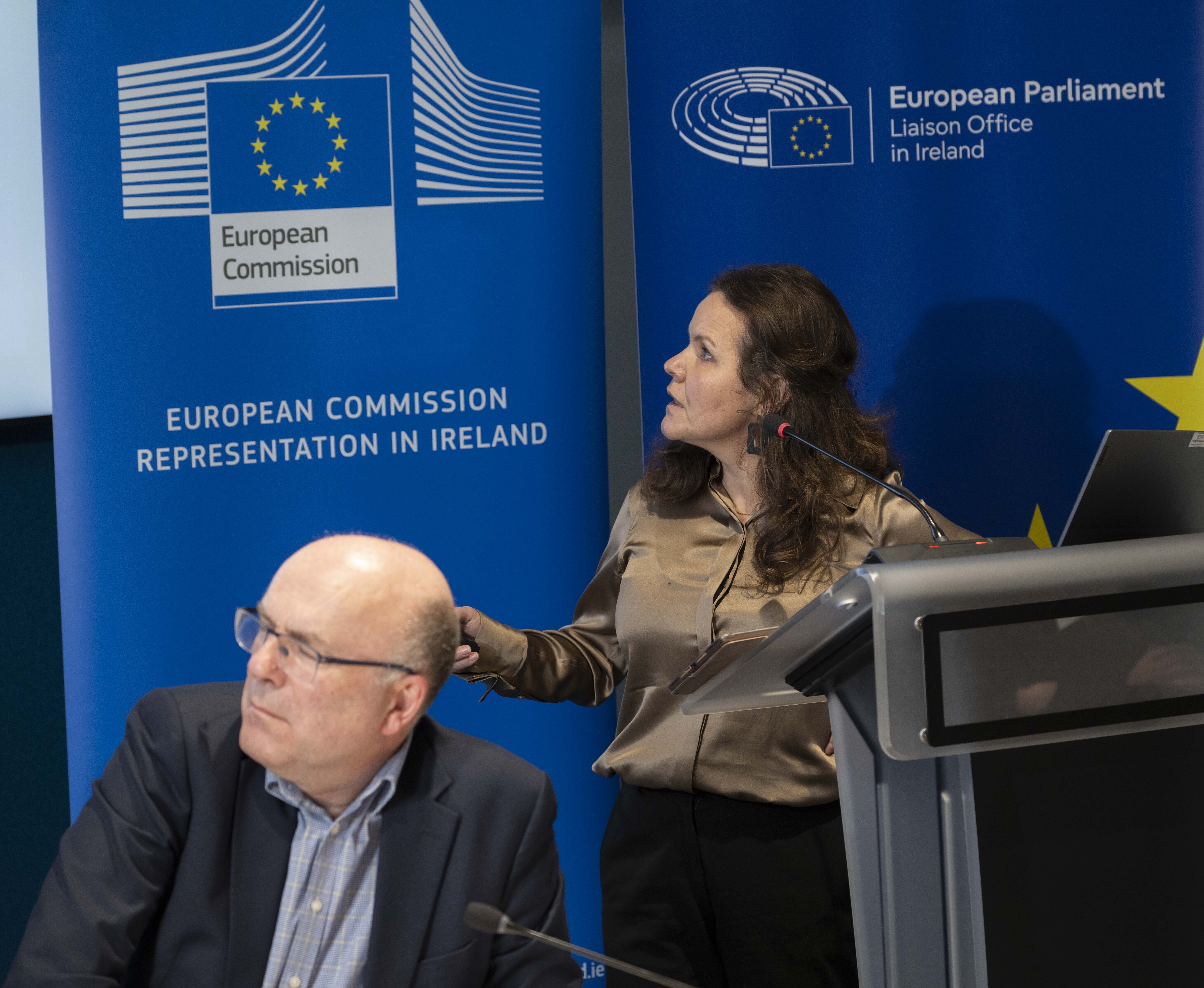
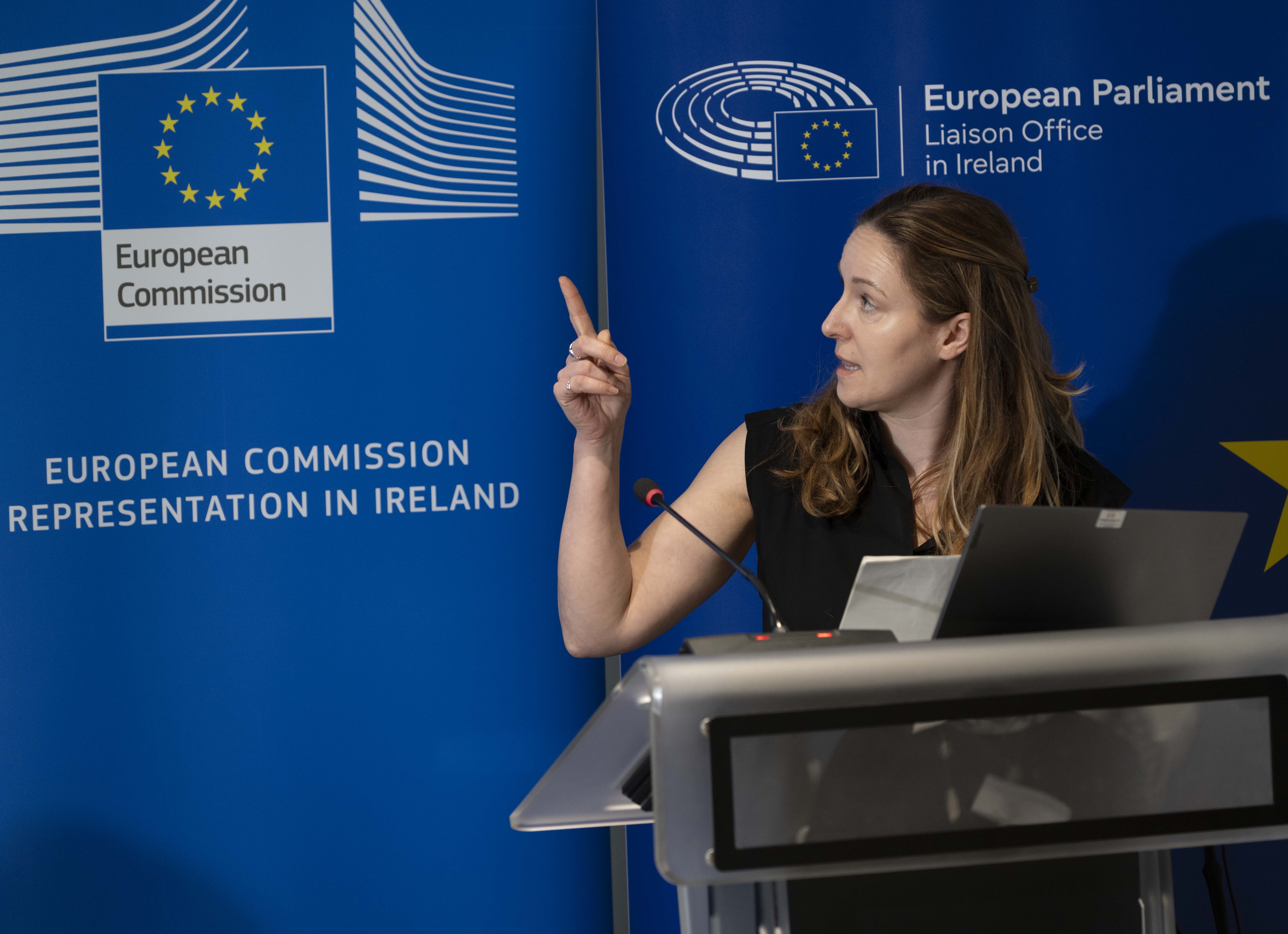
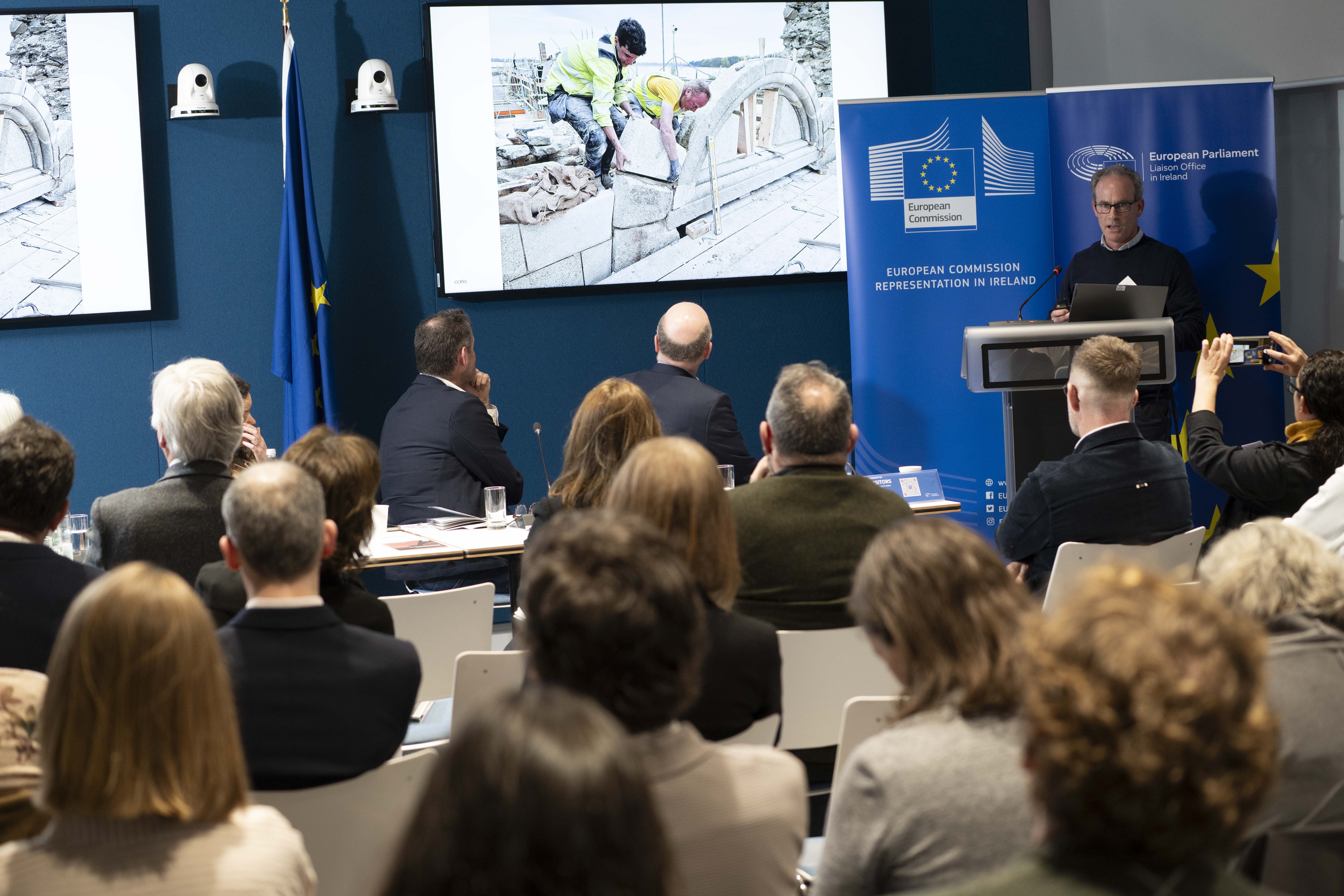
Leading policymakers, architects, and conservation specialists from across Ireland and Europe gathered at Europe House on Friday, 27 March 2026 for a major conference exploring how the adaptive reuse of historic buildings can help address climate change, housing supply, and sustainable development.
Titled “Conserving Ireland’s Architectural Heritage: New Life for Historic Buildings and Places through a Shared Culture of Adaptation & Reuse,” the conference brought together a diverse range of international speakers and Irish practitioners to promote the reuse of existing buildings and places, to share good practice, research and case studies in heritage-led regeneration.
The event was delivered through a partnership between the Irish Georgian Society, the European Parliament Liaison Office in Ireland, the European Commission Representation in Ireland, and the Department of Housing, Local Government and Heritage’s National Built Heritage Service with support from the Office of Public Works and the Royal Institute of the Architects of Ireland. The conference formed part of a broader architecture policy programme, entitled ‘Value for Many’, and aligned with Ireland’s upcoming EU Presidency in July 2026.
Across a full-day programme, speakers explored how adapting and reusing existing buildings can significantly reduce embodied carbon, minimise waste, and contribute to more sustainable, circular construction practices, particularly the revitalisation of traditional skills and training. Presentations also addressed the role of adaptive reuse in unlocking underutilised building stock for housing, developing new neighbourhoods, revitalising urban centres, and preserving cultural identity.
Sessions highlighted the alignment between heritage reuse and key European policy frameworks, including climate targets for 2050, the EU Affordable Housing Plan, and the principles of the New European Bauhaus — promoting development that is sustainable, inclusive, and of high design quality.
Drawing on a wide range of case studies and professional expertise, contributors emphasised the importance of cross-sector collaboration — bringing together government, industry, and communities — to overcome regulatory, financial, and technical barriers to reuse.
The conference underscored the growing momentum behind adaptive reuse as a central strategy in shaping resilient and liveable cities and towns, positioning Ireland as a leader in advancing a shared European approach to transforming the built environment through heritage-led regeneration, based on experience gained from the implementation of the ERDF THRIVE Funding programme nationally.
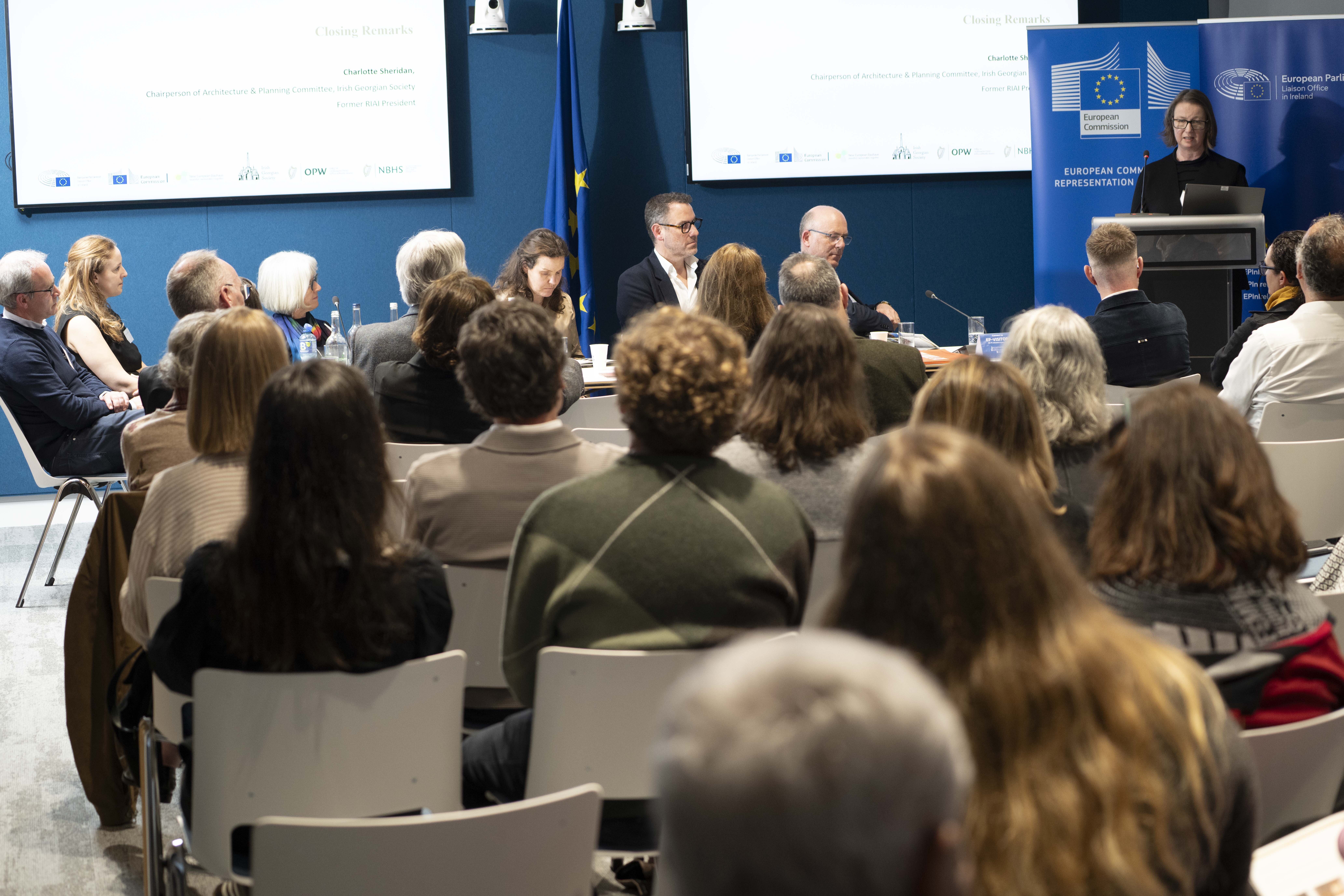
Also the conference presented a unique moment for built heritage stakeholders to reflect on the opportunity of a shared culture of adaptation & reuse and to consider The 'Dublin Declaration’, as an appropriate legacy to the conference, a call to action on the theme New Life for Historic Buildings and Places through a Shared Culture of Adaptation & Reuse. For this reason, in her concluding remarks at the conference Charlotte Sheridan tabled for consideration the below tentative Dublin Declaration:
- The 'Dublin Declaration’, building on the conference outcome and EU policy momentum, will reference the seven guiding principles of the 2024 Krakow Declaration (by ACE, Europa Nostra and ICOMOS), as the basis for future discussion on this theme, namely prioritising renovation and reuse; combining innovation with traditional knowledge; upskilling professionals; co-creation with communities; championing quality in governance and funding; sharing knowledge; and preparing built heritage for future risks.
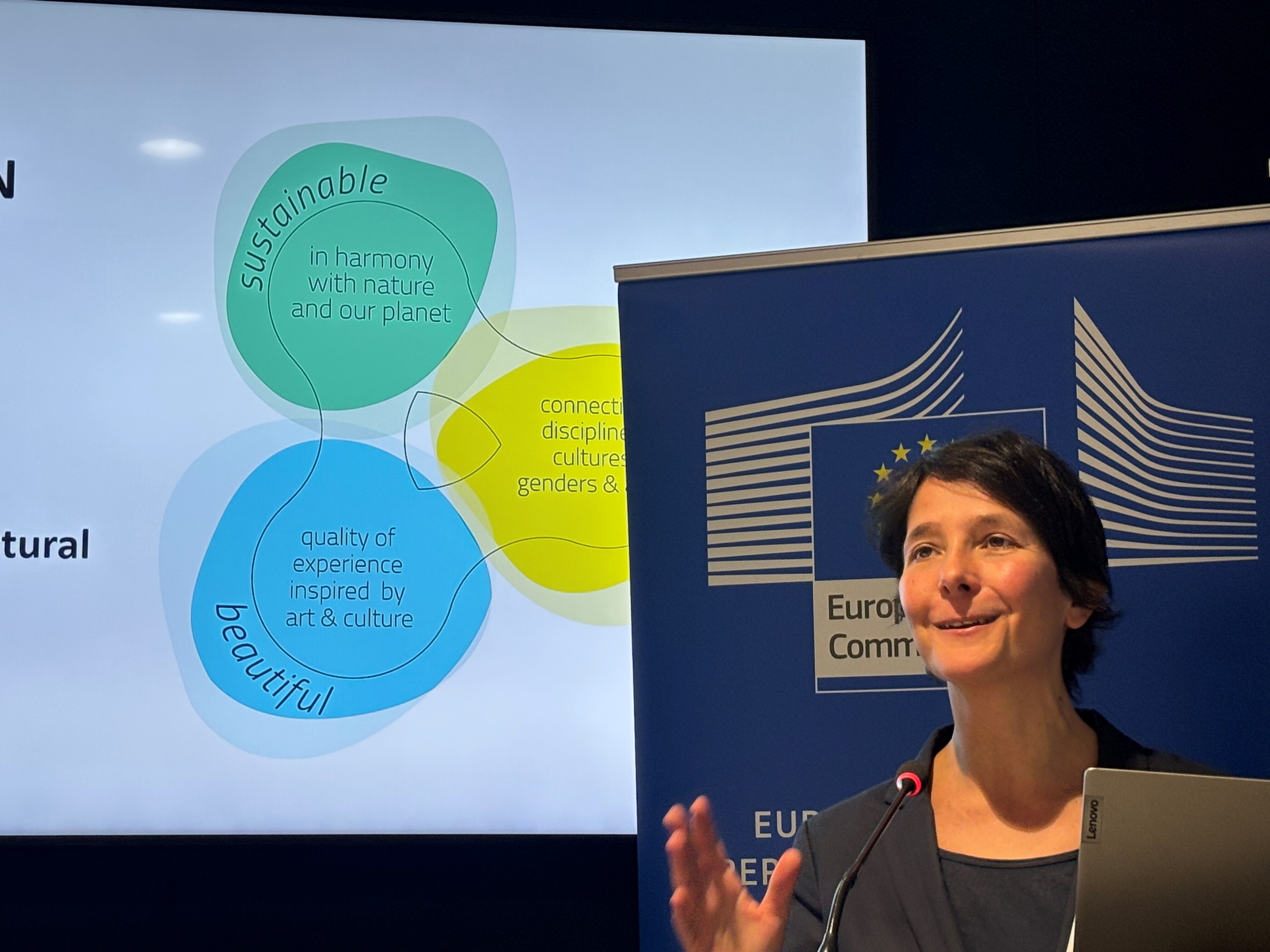
- The 'Dublin Declaration’, proposes working with the New European Bauhaus (NEB) concept and the working model of a NEB Local Chapter with the purpose of strengthening NEB community members and wider stakeholder collaboration, sharing knowledge and good practice and developing a culture of adaptation and reuse of built heritage assets, grounded in the NEB values of beautiful, sustainable, together.
- A 'Dublin Declaration’, proposes working and reporting back within the EU presidency programme on the theme; New Life for Historic Buildings and Places through a Shared Culture of Adaptation & Reuse.
The conference, which was at full capacity, was recorded and the presentations are now available to watch on the Irish Georgian Society’s YouTube channel. Please see below for the links to watch each of the conference sessions.
The Irish Georgian Society thanks our partners; the European Parliament Liaison Office in Ireland (Fearghas Ó Béara and Jeremy O'Sullivan), the European Commission Representation in Ireland (Peter Power and Joan Flanagan), and the Department of Housing, Local Government and Heritage’s National Built Heritage Service (Sarah Waters and Nicola Matthews); supporters, Office of Public Works (Conor Sreenan) and the Royal Institute of the Architects of Ireland (Dr Sandra O'Connell); speakers (Graham Bell, Gerard Carty, Frank Cooney, Morris Conway, Andrée Dargan, Colm Doyle, Dr Claudio Gulli, Fionnuala Hayes, Michael Horan, Lar Joye, Niamh Kiernan, Joe Lawrence, Niamh Lunny, Olof Martinsson, Lisa McVeigh, Nicola Matthews, Valerie Mulvin, Elena Montani, Shane Nolan, Ciaran O’Brien, Michiel Riedijk, Emmett Scanlon, Grainne Shaffrey, Sarah Woods, Giulia Vallone); and Chairs (Donough Cahill, Jacqueline Hall, Graham Hickey, Michael O’Boyle, Angela Rolfe, Charlotte Sheridan and Fionnuala Sweeney) for their sharing their expertise.
CONFERENCE PROGRAMME YOUTUBE LINKS
- Welcome/Introductory Session
- Fearghas Ó Béara, Head of the European Parliament Liaison Office in Ireland
- Peter Power, Head of the European Commission Representation in Ireland
- Jacqueline Hall, Chair Irish Georgian Society
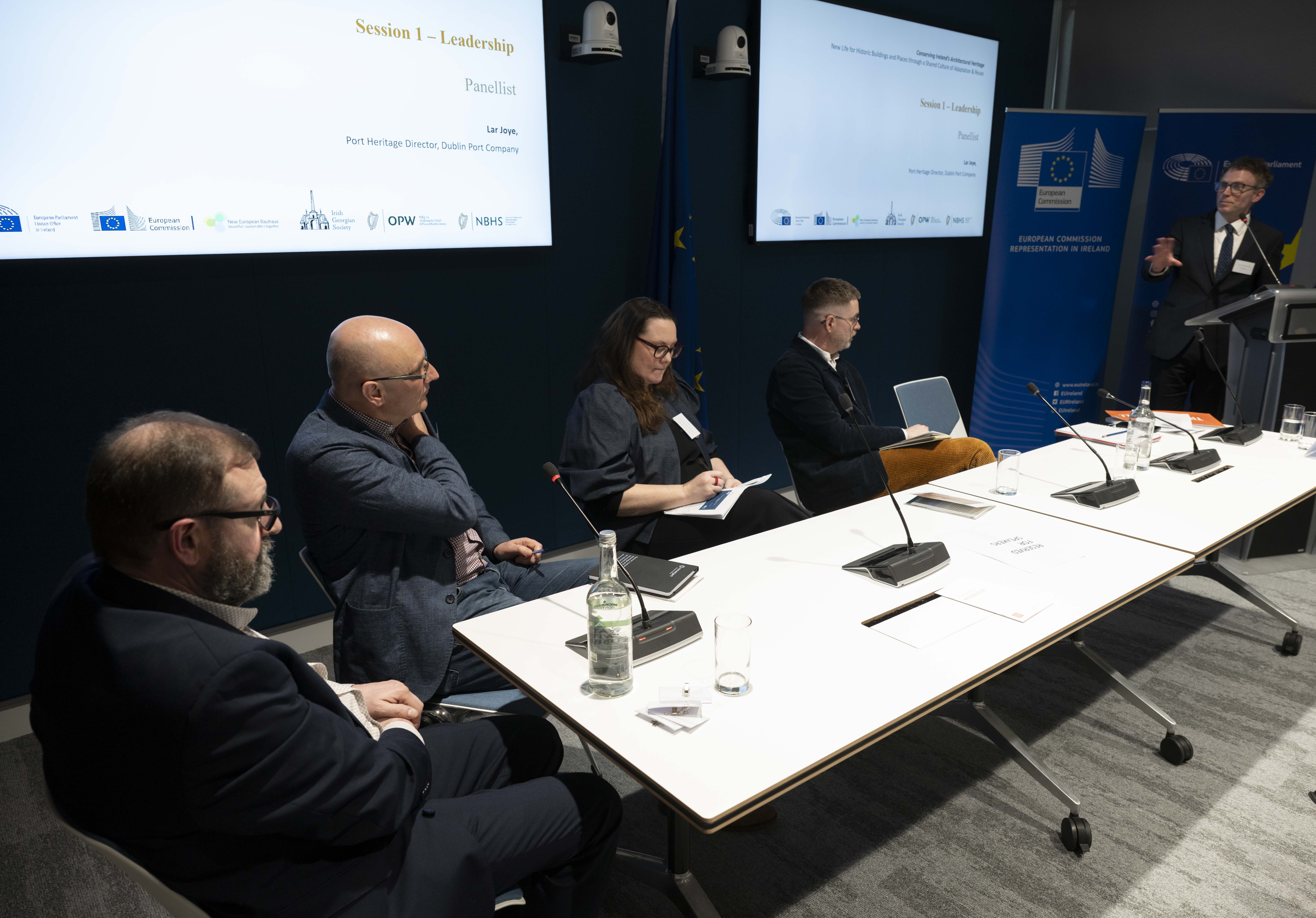
- Session1- Leadership (Chair Donough Cahill, Executive Director, Irish Georgian Society)
- Introduction by Nicola Matthews, Senior Architect National Built Heritage Service in the Department of Housing, Local Government and Heritage and National Contact Point New European Bauhaus in Ireland.
- Keynote: Historic places and spaces under transformation–Varvsstaden by Olof Martinsson, Heritage Officer for Malmö (Stadsantikvarie)
- Panellists: Morris Conway, Waterford City & County Council; Niamh Kiernan, Architectural Conservation Officer, Dublin City Council; Lar Joye, Port Heritage Director, Dublin Port Company.
- Session2 - Culture (Chair; Fionnuala Sweeney, Head of Film and Architecture, the Arts Council)
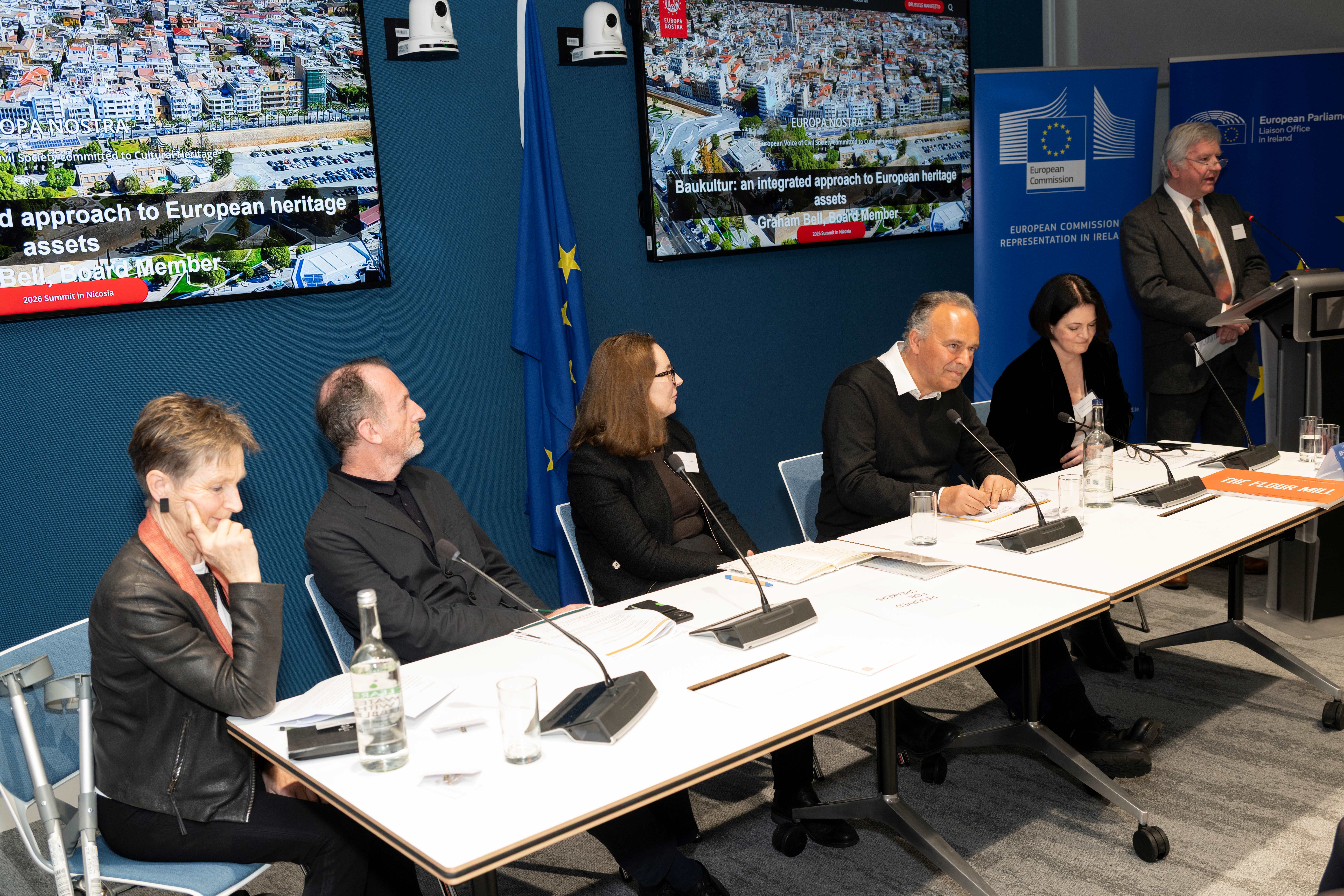
- Introduction by Graham Bell, Europa Nostra Baukultur: an integrated approach to European heritage assets.
- Keynote: Gare Maritime and other projects of transformation, re-imagining existing buildings and places with high quality interventions and materials, distinguishable from the original construction by Michiel Riedijk, founding partner and principal architect, Neutelings Riedijk Architecten
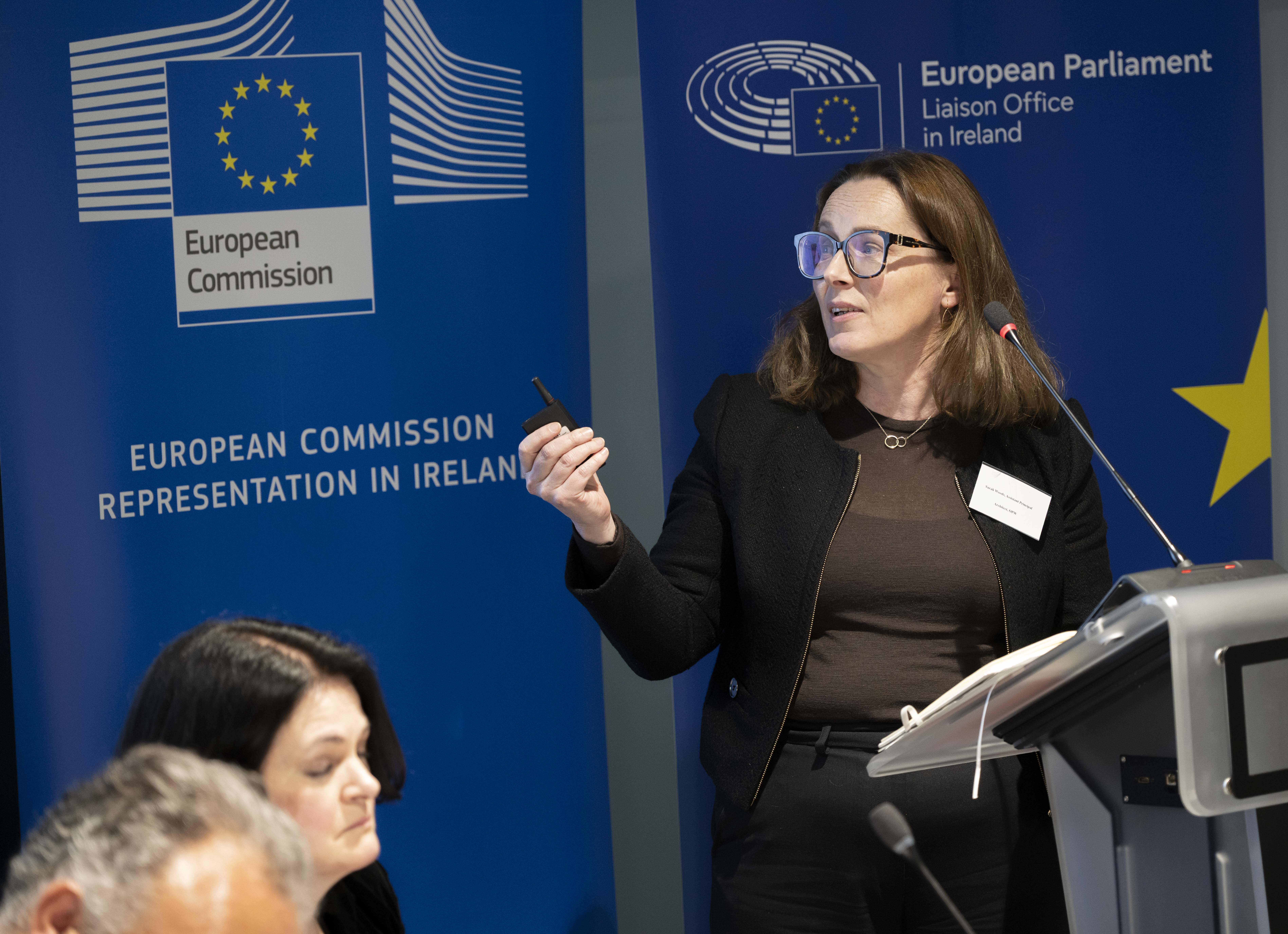
- Panellists: Sarah Woods, Assist. Principal Archt. OPW (National Concert Hall); Valerie Mulvin, Director, McCullough Mulvin Architects (Central Hotel); Gerard Carty, Director, Grafton Architects (Crawford Art Gallery)
- Session 3 - Sustainability *access to recording is pending (Chair; Graham Hickey, CEO, Dublin Civic Trust and18 Ormond Quay Upper)
Introduction by Emmett Scanlon, Director, Irish Architecture Foundation - Keynote: Do “as little as possible but as much as is necessary”: two projects adopting this philosophy in the successful adaptation and reuse of housing and institutional historic structures in Ireland ( Portlaoise Convent and Haulbowline Block 9) by Ciaran O’Brien, Director, O’BFA
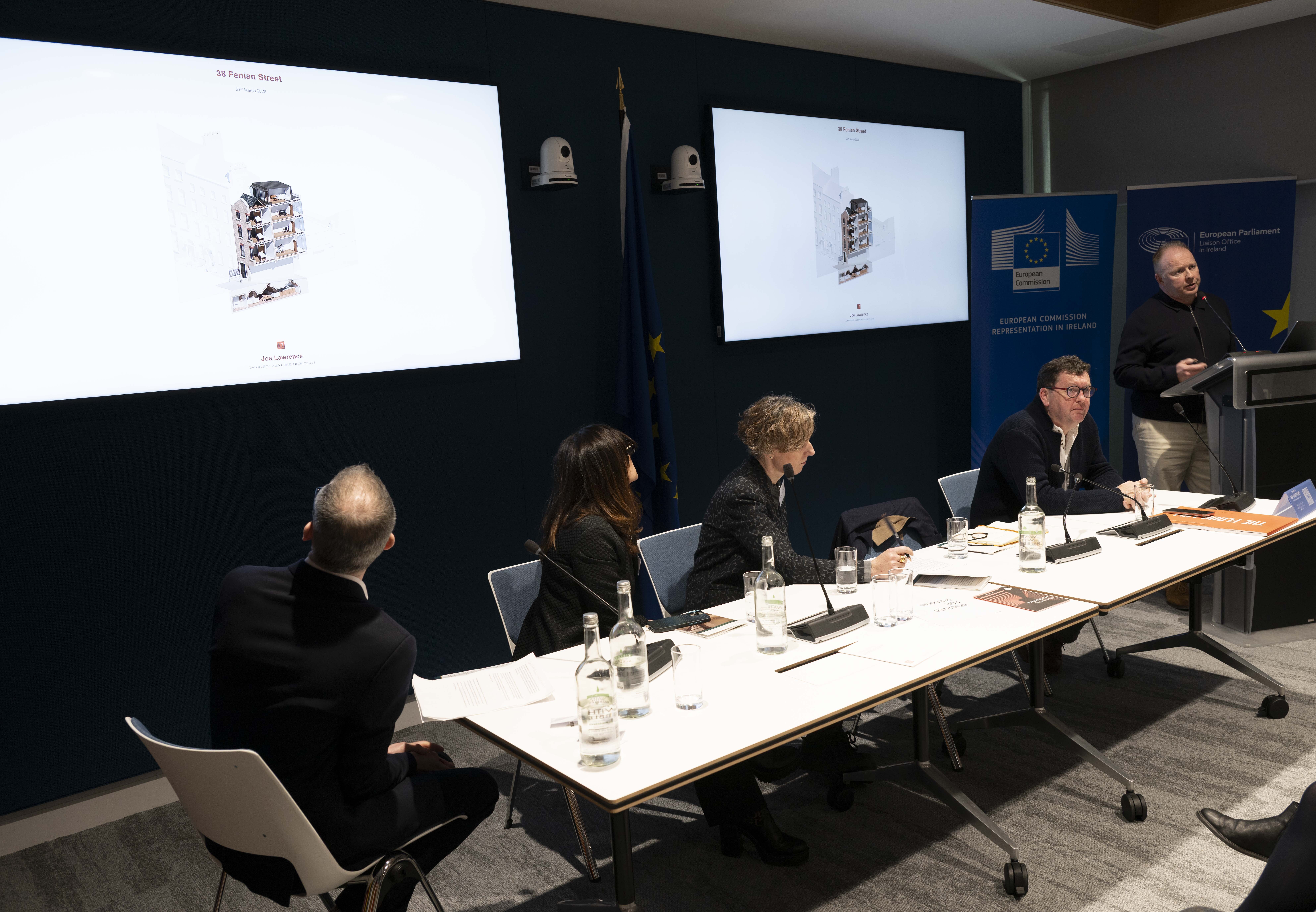
- Panellists: Joe Lawrence, Director, Lawrence & Long Architects; Niamh Lunny, CEO, Irish Landmark Trust; Giulia Vallone, RIAI Urban Design Committee/Cork County Council
- Session 4 –Quality (Chair Angela Rolfe, President, ICOMOS Ireland)
- The New European Bauhaus-Beautiful, Sustainable, Together by Elena Montani, Head of Unit, New European Bauhaus Coordination Unit, Joint Research Centre(JRC), European Commission.
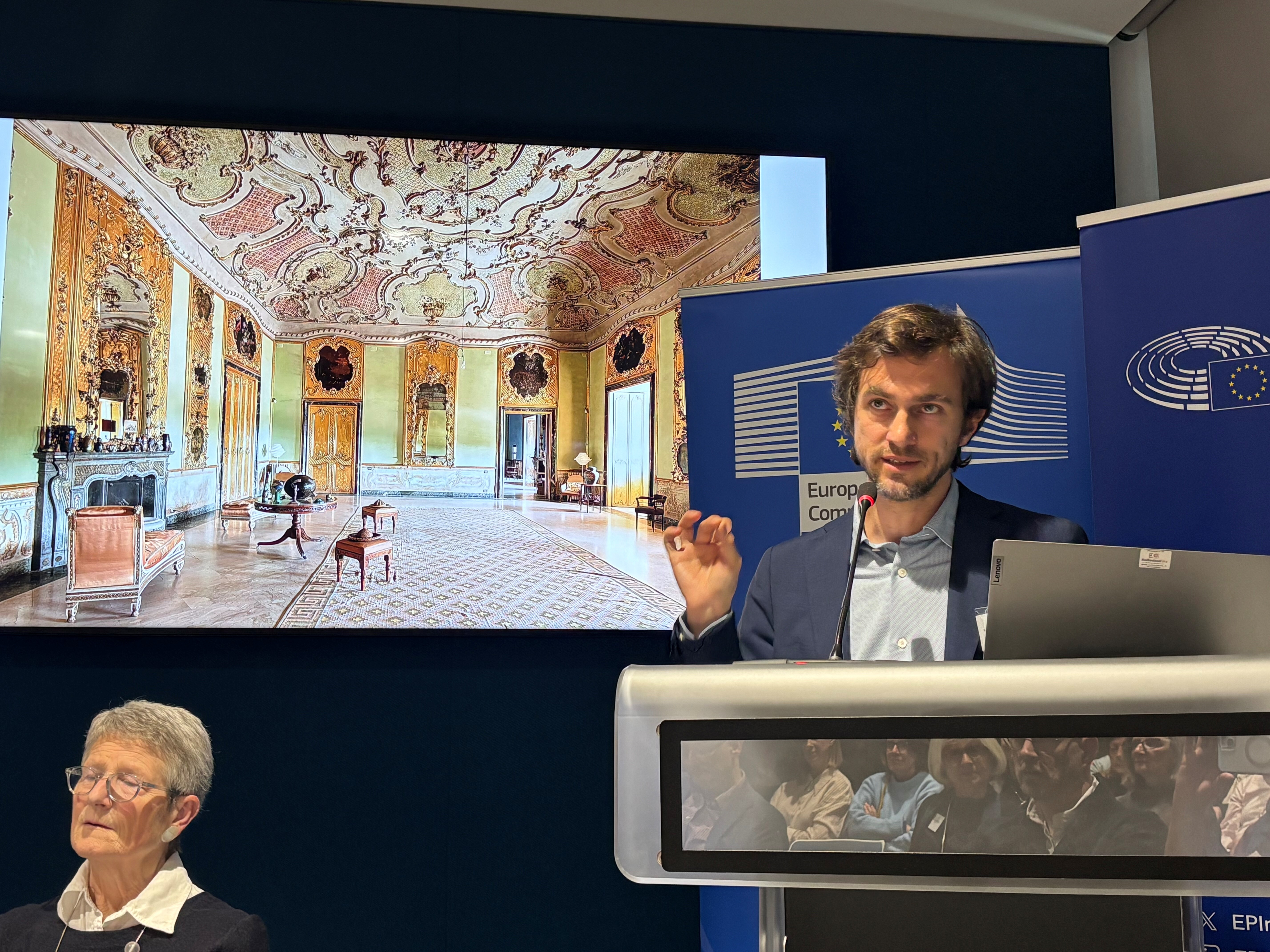
- Keynote: Palazzo Butera: a project for Palermo and Europe by Dr Claudio Gulli, Director at Palazzo Butera, art historian and curator.
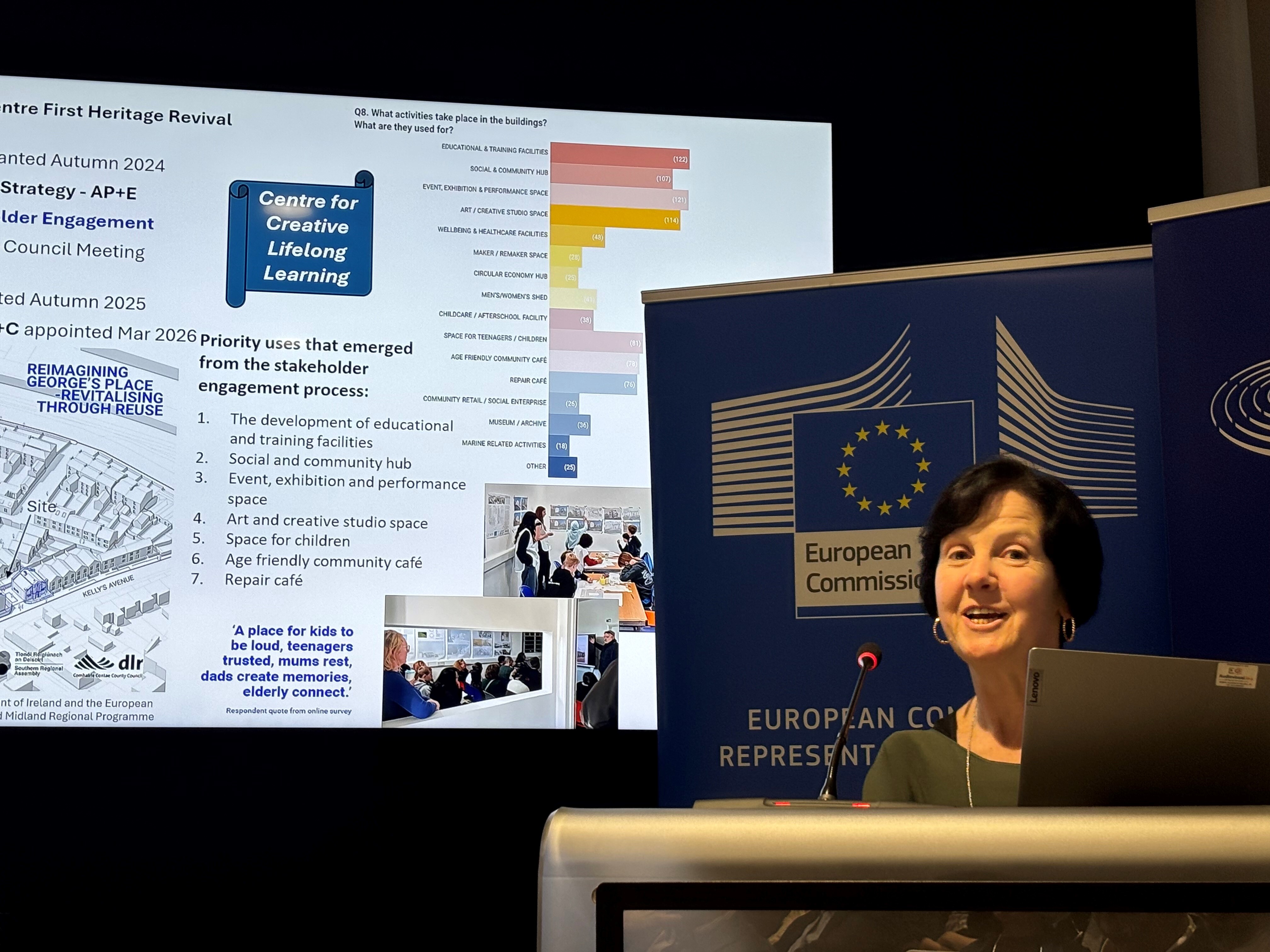
- Panellists: Andrée Dargan, Dún Laoghaire Rathdown County Architect (Kelly’s Hotel & Wash House); Grainne Shaffrey, Shaffrey Architects (West Gate House, Drogheda), Frank Cooney, Cooney Architects (Gorey Market House),
- Session 5 - Case Studies (Chair; Michael O’Boyle, RIAI Historic Buildings Committee)
- Former Belfast Bank, Rathmines by Colm Doyle co-presenting, DMVF Architects
- 30 Parnell Square House by Lisa McVeigh, DMVF Architects
- Magazine Fort, Phoenix Park: stabilization & repair works/traditional skills by Audrey Farrell, Senor Architect OPW and Shane Nolan, Managing Director of Nolans Group Conservation & Restoration Ltd.
- Saint Patrick’s Cathedral, Deanery Mews: traditional knowledge and innovation by Fionnuala Hayes, Howley Hayes Cooney Architects
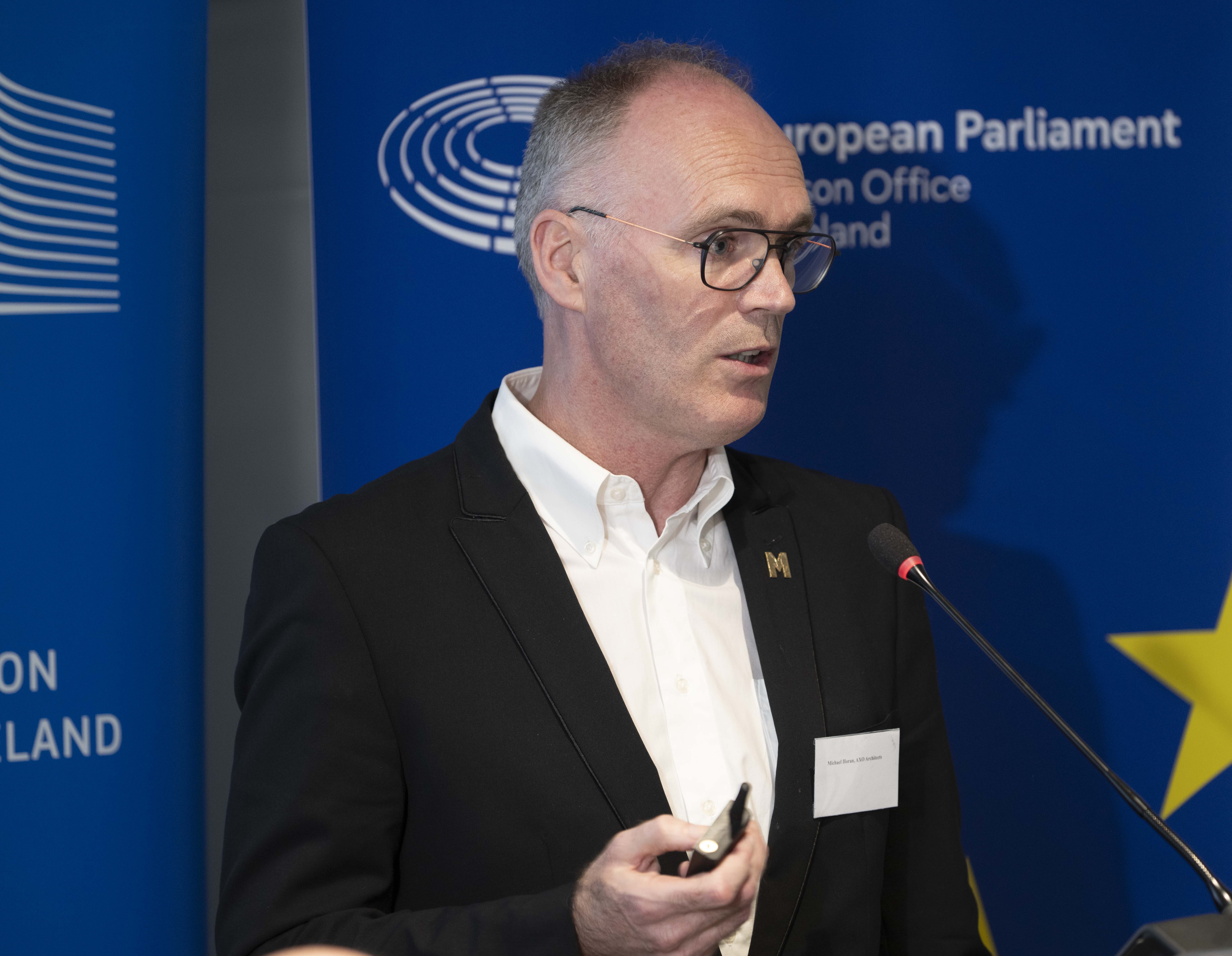
- Strokestown Park House and National Famine Museum & Kylemore Abbey by Michael Horan, AXO Architects
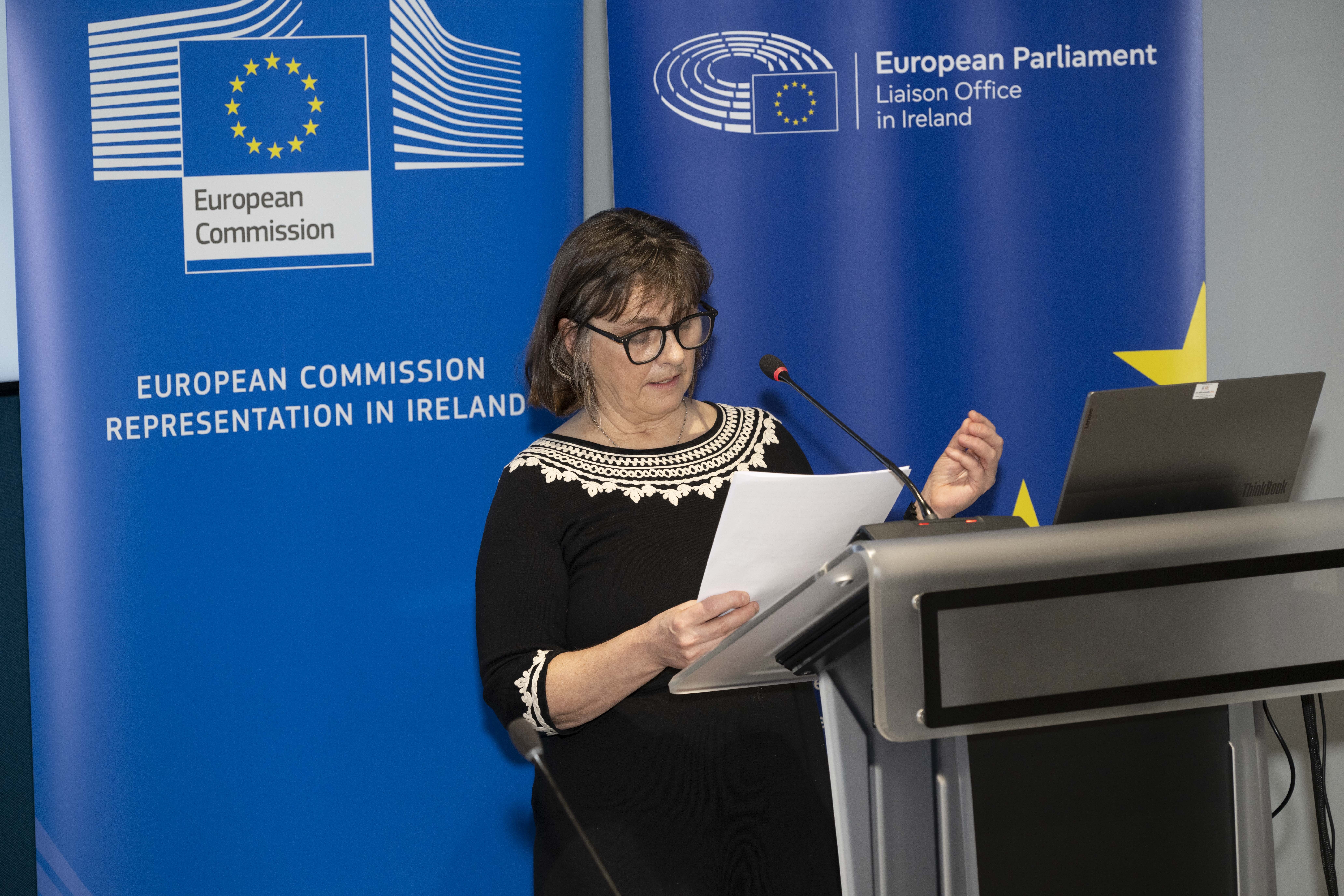
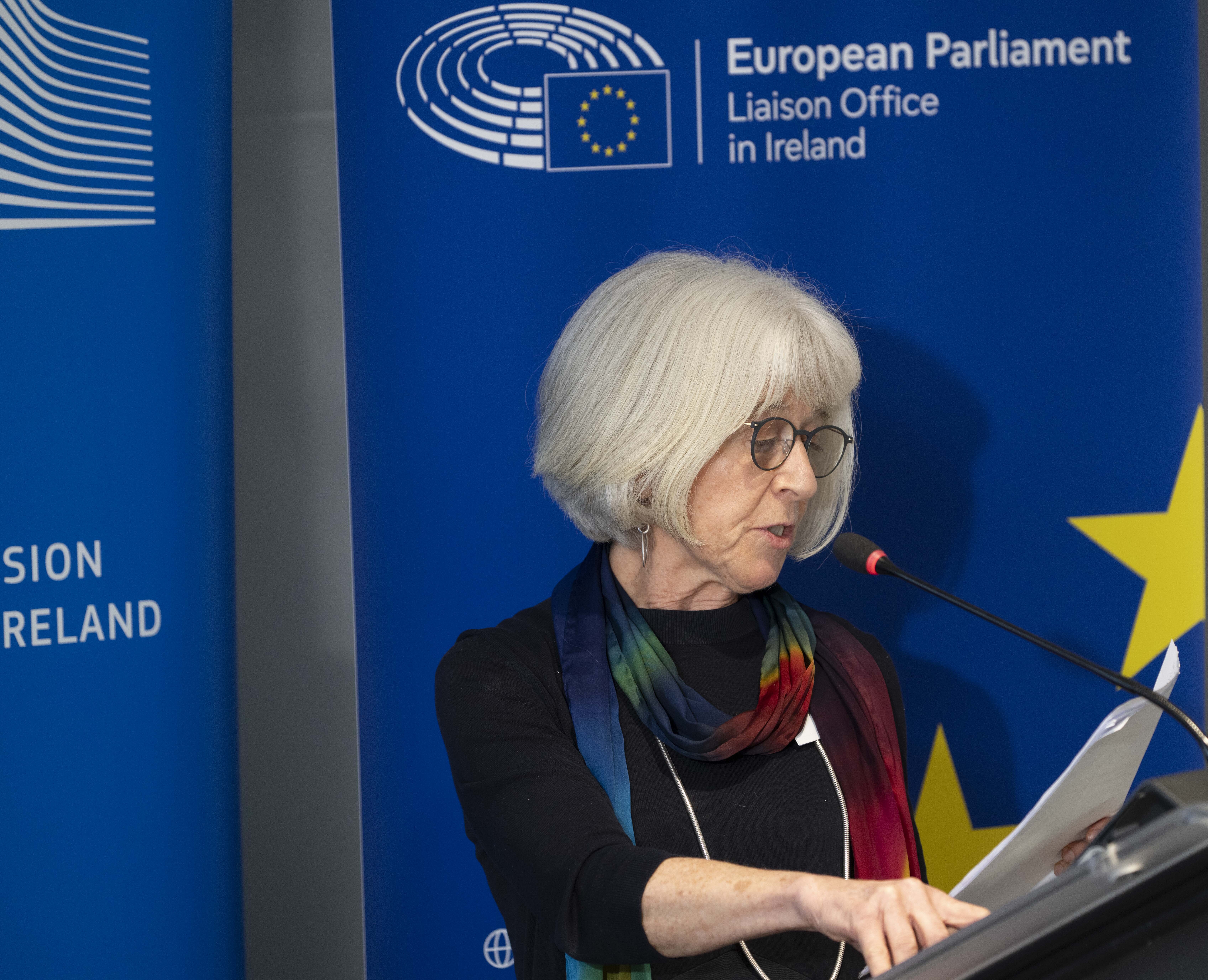
- Closing Remarks by Charlotte Sheridan, Chairperson of Architecture & Planning Committee, Irish Georgian Society
A PDF of the conference abstracts and biographies can be downloaded here.